
Choosing between two great extension methods can feel overwhelming, especially when both promise beautiful, natural results, and you just want to protect the hair you already have. That worry is completely valid, and you are smart to ask the question before booking. Here is my promise to you: by the end of this guide, you will clearly understand the real differences between invisible bead and the cold pressed method, which one suits your hair type, and how to choose the safer option with total confidence. We are going to compare them honestly, side by side, so you can walk into your appointment knowing exactly what is right for you. Let us dig in.
First, What Are These Two Methods?
Before we compare safety, it helps to know what each technique actually involves, because the names alone do not tell the whole story.
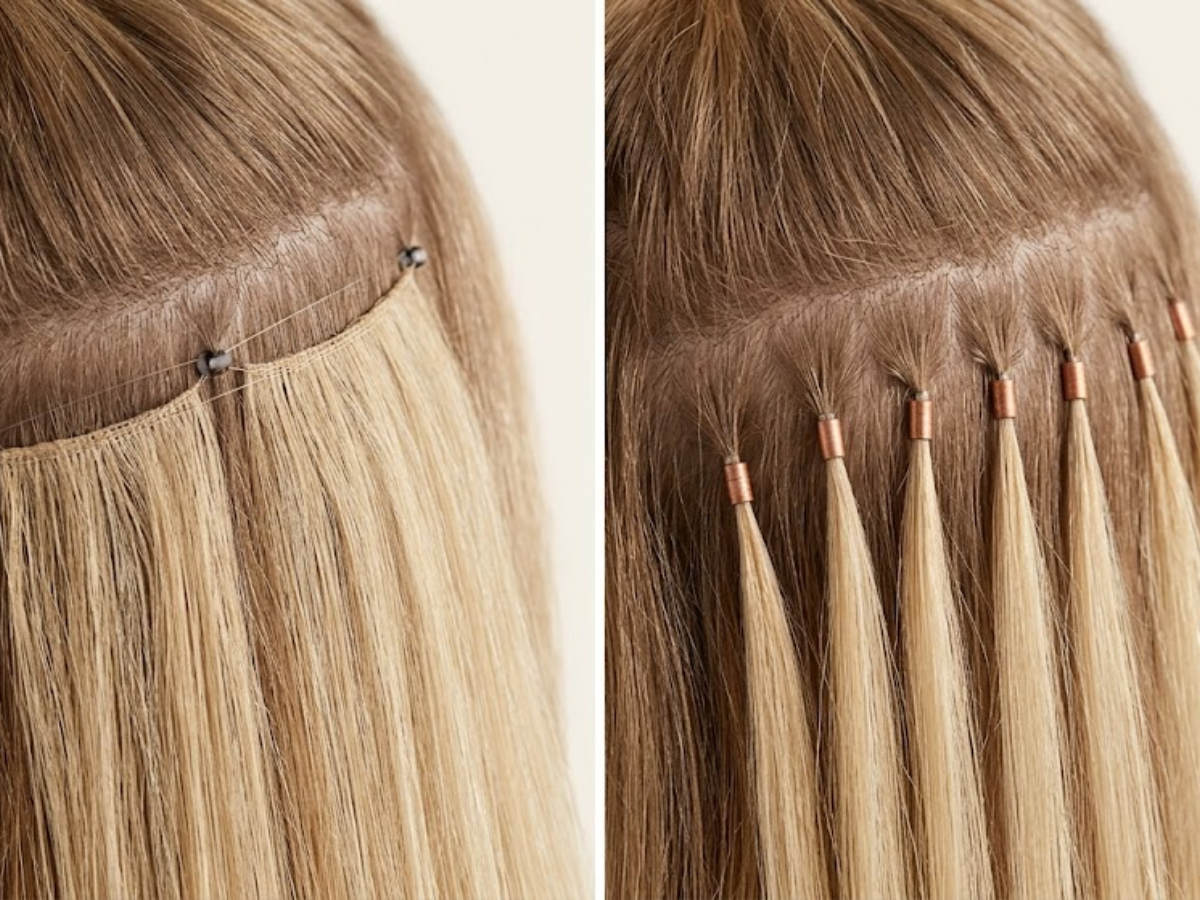
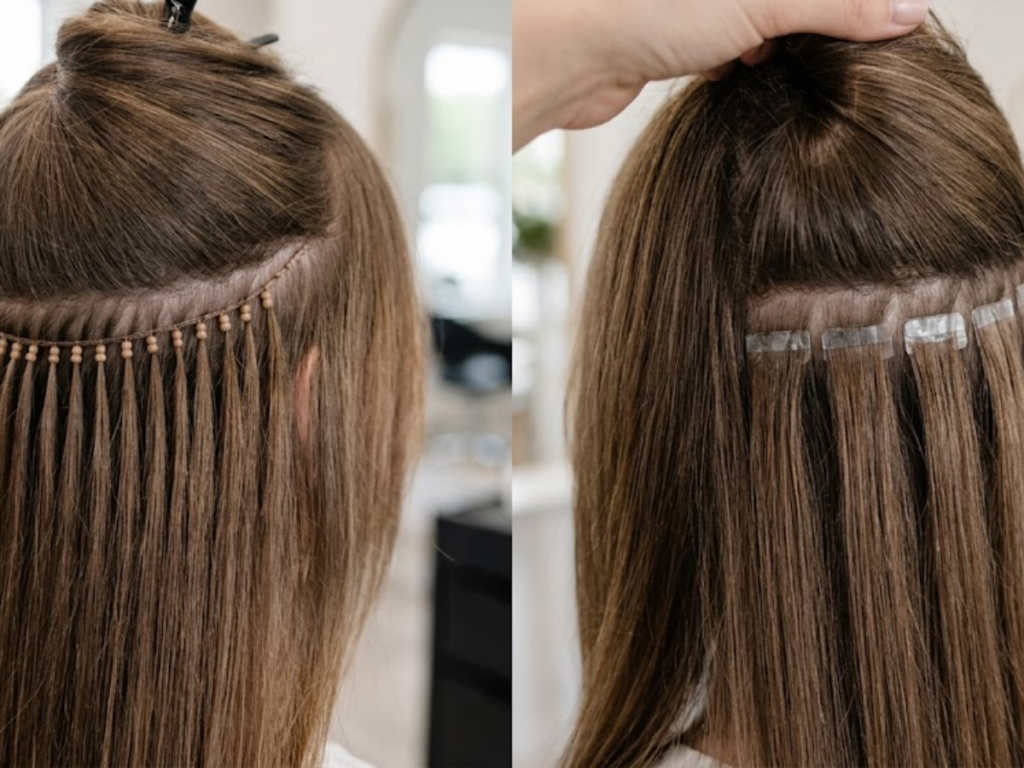
The invisible bead method, sometimes grouped with natural beaded rows, uses a small bead or row foundation to attach a weft of hair without braids or glue. The hair is sewn onto a beaded base, distributing weight across a section rather than a single point. You can see how we approach this with our weft hair extensions service.
The cold pressed method is a strand-by-strand technique that bonds premium human hair using gentle pressure, with no heat, glue, or chemicals involved. It is our signature approach, and you can read the full details on our cold press hair extensions page.
Both avoid the harsh adhesives and high heat of older methods, which already puts them ahead on the safety scale. The differences come down to how the weight is carried and how each one interacts with your natural hair.
The Safety Comparison
This is the part you came for, so let us break it down clearly.
- Weight distribution: Invisible bead spreads weight across a horizontal row, which works beautifully for thicker hair. Cold pressing distributes weight across many tiny individual bonds, which is gentler for fine or delicate strands.
- Tension on the scalp: Beaded methods rely on tightness at the bead points, and if applied too tightly, they can create tension. Cold pressing has minimal pull because each bond is featherlight.
- Flexibility for thin hair: Cold pressing tends to win here, since the small bonds hide easily and will not expose sparse areas.
- Customization: Both are highly customizable, but cold pressing allows more precise placement around the crown and temples.
Quick tip: Safety is less about the method name and more about the skill of the stylist applying it. A poorly installed bead row can cause more stress than a well-placed cold press, and the reverse is also true.
Which Is Gentler on Fine or Thin Hair?
If your hair is on the finer side, this is likely your biggest concern, and rightfully so. Fine hair has less to anchor onto, so weight and visibility both matter enormously.
For most fine-haired clients, cold pressing is the gentler choice. The bonds are tiny, lightweight, and virtually invisible even through sparse sections. There is no horizontal row that could peek through, and no concentrated tension at a bead point.
That said, invisible bead methods can still be a wonderful fit for clients with medium to thick hair who want maximum fullness. The key is an honest assessment of your hair’s density and strength before anyone picks up a tool.
Pointer: Never let a salon choose a method before examining your natural hair in person. Your density, breakage history, and lifestyle should drive the decision, not a one-size-fits-all approach.
Comfort and Everyday Wear
Safety is not only about damage, it is also about how the extensions feel day to day. Uncomfortable extensions tempt you to tug, scratch, or remove them carelessly, which is where real damage often begins.
Cold pressed extensions are famous for feeling almost weightless, with many clients forgetting they are even wearing them. Invisible bead rows feel secure and substantial, which some clients love for the sense of fullness, though they can feel slightly more present at the attachment row.
Both hold up well in Miami’s humidity since neither relies on glue that can loosen in heat and moisture. If comfort and a barely-there feel are your top priorities, cold pressing usually edges ahead. If you want dense, voluminous fullness and have the hair to support it, beaded methods deliver beautifully. Ready to find your match? You can book the service now for a personalized assessment.
So, Which Should You Choose?
Here is the honest answer: the safer method is the one that matches your unique hair. For fine, fragile, or thinning hair, cold pressing is typically the smarter, gentler pick. For thicker hair craving big volume, invisible bead rows can be a fantastic, secure option.
The smartest move is to skip the guesswork entirely. A professional consultation removes all doubt, because a specialist can feel your hair’s weight tolerance and recommend the safest path for your goals. When you are ready, you can schedule service and get a recommendation tailored specifically to you.
Make the Safe Choice With Confidence
You should never have to gamble with the health of your hair, and the good news is you do not have to. At Extension King Hair Salon & Shop, our specialists assess your unique hair type and recommend the method that delivers stunning results while keeping your natural strands protected. Whether cold pressed or beaded is your perfect fit, we will guide you every step of the way. Schedule service with our Miami team today and experience extensions that look incredible and feel even better.
Frequently Asked Questions
1. Is the invisible bead method safe for fine hair?
It can be, but it requires careful placement and the right weight of hair. For very fine or thinning hair, cold pressing is often gentler because it avoids concentrated tension at the bead points and hides more easily through sparse sections.
2. Which lasts longer, invisible bead or cold pressed?
Both are semi-permanent and last several weeks before a move-up appointment is needed. Longevity depends more on your home care and how quickly your natural hair grows than on the method itself.
3. Do either of these methods use glue or heat?
No. Both the invisible bead and cold pressed techniques avoid glue, heat, and harsh chemicals, which is exactly why they are considered safer than older fusion or adhesive-based extensions.
4. Can I switch from one method to the other?
Yes, many clients transition between methods as their hair goals change. A stylist will assess your current hair health before recommending a switch to make sure the timing is right.
5. Will either method damage my natural hair?
When applied and maintained correctly by a trained professional, neither method should damage your hair. Damage usually results from improper installation, excessive tension, or skipped maintenance, not from the techniques themselves.
