
Best Hair Extensions for Bleached or Color-Treated Hair in Miami
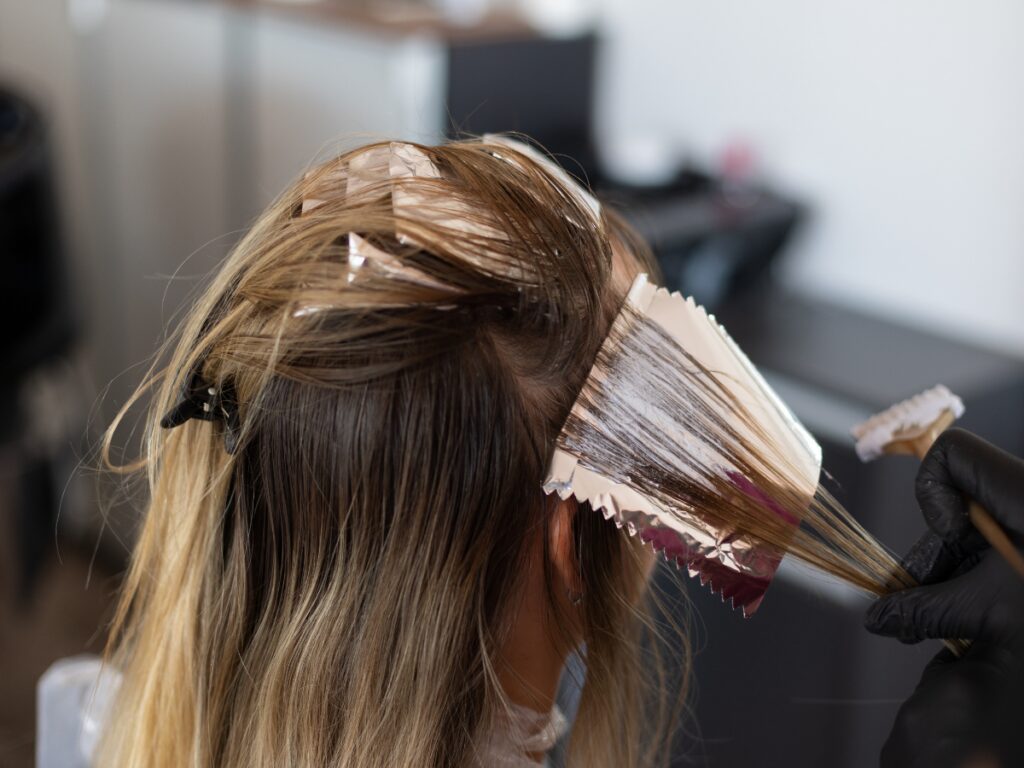
Bleached and color-treated hair needs more attention than untreated hair. Frequent coloring, bleaching, heat styling, and chemical treatments can leave strands dry and fragile. So, choosing the right extensions matters. The goal is not only to add length or volume. It is also to choose a method that works with your hair’s current condition. If you are considering extensions bleached hair Miami, a professional consultation can help you find an option that looks natural and supports your hair-care goals. Why Bleached Hair Needs the Right Extensions Bleaching changes the structure of the hair and can make it more porous and vulnerable to breakage. Adding extensions to weakened hair without considering its condition can create unnecessary tension. Before choosing extensions, a stylist should consider: Your hair’s current strength Natural hair density Level of bleaching or chemical processing Desired length and volume Extension weight Attachment method Daily styling and maintenance routine Healthy-looking extensions start with healthy installation and an accurate extension color match. The method should be selected based on your hair, not simply on what is trending. What Are the Best Hair Extensions for Bleached Hair? Different extension methods can work for color-treated hair. However, the best choice depends on the condition and density of your natural strands. Tape-In Extensions Tape-in extensions use thin adhesive wefts that sandwich sections of natural hair. Their wider attachment area can help distribute the extension’s weight rather than placing all the weight on individual strands. They are also known for achieving a flat, discreet appearance when installed correctly. This makes them an option for clients who want added length and fullness without a bulky look. I-Tip Extensions I-Tip extensions are individual strands attached with small beads. They do not require adhesive or heat during installation. Because they are applied strand by strand, I-Tips can provide natural movement and allow for customized placement. This can make them an option worth discussing if you have color-treated hair and prefer a no-glue method. K-Tip Extensions K-Tip extensions are individual strands attached using keratin bonds. They can provide excellent movement and a seamless appearance when professionally installed. However, heat is involved during installation and removal. For hair that has been heavily bleached or is already fragile, another method may be more appropriate. Cold-Pressed Extensions Cold-pressed extensions are another option for clients who want to avoid heat and adhesive during installation. Extension King offers its signature cold-pressed extension technique, which the salon describes as using no heat, glue, or chemicals during application. This method is designed to provide a lightweight and natural-looking result. For clients searching for extensions bleached hair Miami, cold-pressed extensions may be worth discussing with a professional, particularly when minimizing heat and adhesive is a priority. How to Choose Extensions for Color-Treated Hair Choosing extensions is not just about finding a beautiful color. Several factors should be considered before installation. Assess Your Hair’s Condition Start by looking at how your natural hair feels. Excessive dryness, snapping, split ends, or severe breakage may indicate that your hair needs additional care before extensions. A professional stylist can determine whether your hair is ready for extensions. Choose the Right Extension Weight Longer and thicker extensions are not automatically better. Heavy extensions can place additional tension on your natural hair. A customized amount of extension hair can create fullness while keeping the installation appropriate for your hair density. Get an Accurate Color Match Color matching is especially important with bleached hair. Blonde shades can range from platinum and ash to beige, honey, and warmer tones. Extension King offers customized color matching as part of its extension services, helping clients achieve a more personalized result. Think About Your Miami Lifestyle Your daily routine also matters. Miami’s humidity, heat, beach days, workouts, and frequent styling can affect how you care for your extensions. Consider how often you: Wash your hair Swim or visit the beach Use hot styling tools Wear ponytails or updos Exercise Travel Your stylist can help you choose an extension method that fits your routine. Can You Color Hair Extensions? Many high-quality human hair extensions can be professionally toned or colored. However, additional bleaching and repeated chemical processing can affect their quality. If possible, choose extensions that already closely match your desired shade. This reduces the need for unnecessary chemical processing. Extension King works with premium human hair and offers personalized color matching. The salon provides extension options based on factors such as hair color, texture, thickness, and desired volume. Why Professional Installation Matters When your hair has been bleached or chemically treated, professional installation becomes especially important. A qualified stylist can evaluate your hair before recommending an extension method. They can also determine the appropriate extension weight, placement, and color. Incorrect installation can result in excessive tension, tangling, discomfort, or damage. Professional application helps create a more balanced and natural-looking result. Instead of asking which extension method is universally “best,” consider which method is best for your hair. Extension King for Bleached and Color-Treated Hair in Miami If you are searching for extensions bleached hair Miami, Extension King Hair Salon & Shop provides personalized extension services designed around individual hair needs. For bleached or color-treated hair, this personalized approach can be especially valuable. Rather than choosing extensions based only on appearance, a professional can evaluate your natural hair and recommend an option suited to its condition, texture, density, and desired result. Frequently Asked Questions Can I get hair extensions if my hair is bleached? Yes, in many cases. However, your hair must be strong enough to support extensions. A professional consultation is recommended before installation. What extensions are best for damaged blonde hair? There is no single method that works for everyone. Lightweight and carefully installed extensions may be suitable for some clients, while severely damaged hair may need recovery time first. Are tape-in extensions suitable for color-treated hair? They can be suitable for some color-treated hair. The stylist should assess your hair’s strength and density before determining whether tape-ins are appropriate. Are I-Tip extensions good for bleached
I-Tip vs. Tape-In Extensions: The Better Choice for Miami Beach Lifestyle
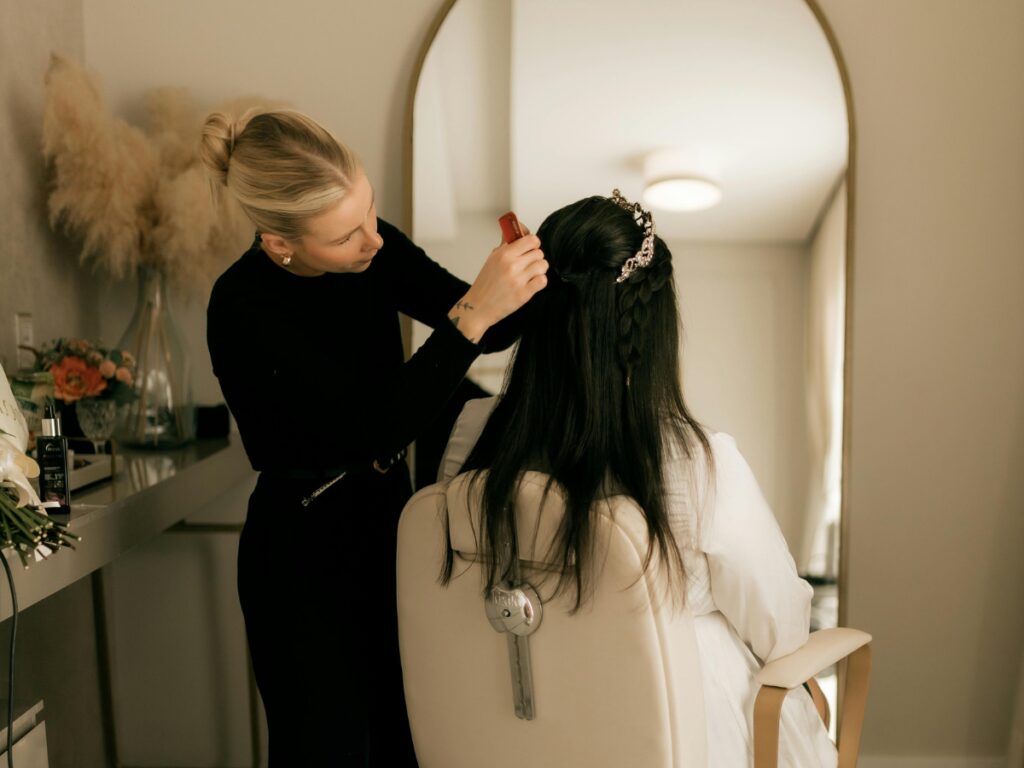
Miami Beach is all about effortless style. But keeping your hair looking that way can be challenging. Humidity, heat, beach days, workouts, and frequent styling can all affect your extensions. That makes choosing the right method especially important. If you are considering I-tip tape-in extensions miami, you may be wondering which option is better for your lifestyle. I-Tip and tape-in extensions can both add length, volume, and a natural-looking finish. However, they differ in installation, maintenance, styling flexibility, and everyday care. Understanding these differences can help you choose the right match for your hair. What Are I-Tip Hair Extensions? I-Tip extensions are individual strands attached to the natural hair using small beads or rings. They do not require glue or heat during installation. Because the extensions are applied strand by strand, the stylist can control their placement. This allows for a customized result based on your natural hair density and desired volume. I-Tips can also be moved up as your natural hair grows. With proper care, the extension hair may be reused during maintenance appointments. For clients who like to change hairstyles often, I-Tips can offer plenty of styling flexibility. What Are Tape-In Hair Extensions? Tape-in extensions use thin wefts with adhesive strips. The natural hair is placed between two extension panels to create a secure attachment. One major advantage is installation time. Tape-ins can usually be applied more quickly than individual strand extensions. They also sit relatively flat against the head. When professionally installed and properly blended, they can create a seamless appearance. For Miami Beach clients who want added length and volume without spending hours in the salon, tape-ins can be a convenient option. I-Tip vs. Tape-In Extensions: What Is the Difference? When comparing I-tip tape-in extensions in Miami, the biggest differences involve how the extensions are attached and how they fit into your routine. Installation Method I-Tips are installed individually with small beads, while keratin bonded extensions use a different attachment method that should be considered when comparing extension options. Tape-ins use adhesive wefts that are applied in sections. This makes the process faster and gives the hair a flat attachment. If you prioritize a quicker appointment, tape-ins may have the advantage. If customized placement is more important, I-Tips may be worth the additional installation time. Styling Flexibility I-Tips allow individual strands to move more freely. This can make them a good choice if you frequently wear ponytails, braids, buns, or other updos. Tape-ins can also be styled in different ways, but their placement needs to be considered when creating certain hairstyles. A professional stylist can position the extensions strategically to help keep them concealed. If you regularly switch between sleek ponytails, beach waves, and polished updos, discuss your styling habits during your consultation. Which Is Better for Miami Beach Humidity? Humidity is an important consideration in Miami Beach. High humidity can cause natural hair to become frizzy and can make maintaining a polished style more challenging. Your extension method should therefore work with your normal routine rather than against it, including practical hair extensions swimming tips if you regularly spend time in pools or the ocean. Tape-in extensions have a flat profile and can provide a smooth appearance when properly installed. However, adhesive bonds need appropriate care, particularly around products containing oils. I-Tips do not depend on adhesive for attachment. This can appeal to clients who prefer a bead-based method. Neither method makes your hair completely immune to Miami’s humidity. Proper washing, drying, brushing, and styling habits are still essential. Which Method Is Better for Fine Hair? Your natural hair density matters when choosing extensions. Tape-ins distribute their weight across wider sections of hair. This can make them suitable for some clients with fine or medium-density hair when professionally applied. I-Tips offer individual placement. A stylist can adjust the number and location of extensions according to your natural hair. However, fine hair requires careful assessment with either method. Extensions should be properly matched to the strength and density of your natural hair. A consultation is the best way to determine which option can provide volume without placing unnecessary stress on your hair. Which Looks More Natural? Both I-Tips and tape-ins can produce natural-looking results. Tape-ins have a flat design that blends smoothly beneath natural hair. They can be particularly discreet when the extensions are properly matched and positioned. I-Tips provide individual strands that move naturally with your own hair. This can create a soft, dimensional look and allow for customized volume. The final result depends on more than the extension type. Hair quality, color matching, placement, blending, and professional installation all make a difference. Which Requires More Maintenance? Both methods require regular maintenance. Tape-ins typically need to be moved or reapplied as your natural hair grows. The adhesive area also needs to be kept clean and protected from excessive oils. I-Tips requires move-up appointments as the beads move farther away from the scalp. The extensions can often be repositioned rather than replaced completely. Which Is Better for an Active Lifestyle? Miami Beach life can be busy. You may go from a morning workout to the beach, followed by dinner or a night out. If you want a faster installation and a flat extension system, tape-ins can be a practical choice. If you prioritize flexibility for different hairstyles and prefer an adhesive-free attachment method, I-Tips may be more appealing. Why Choose Extension King for Hair Extensions in Miami Beach? If you are researching I-tip tape-in extensions miami, Extension King Hair Salon & Shop is a local option for professional hair extension services. Extension King Hair Salon & Shop offers several extension options and focuses on helping clients achieve natural-looking length, volume, and color results. Its Miami Beach salon provides professional consultations, installation, color matching, and extension services designed around individual hair needs. Frequently Asked Questions Are I-Tip extensions better than tape-ins for Miami Beach? Neither method is automatically better. I-Tips can provide greater styling flexibility, while tape-ins offer a flat attachment and relatively quick installation. Your
Keratin-Bonded Extensions vs Tape-In: Which Lasts Longer in Miami’s Humidity?
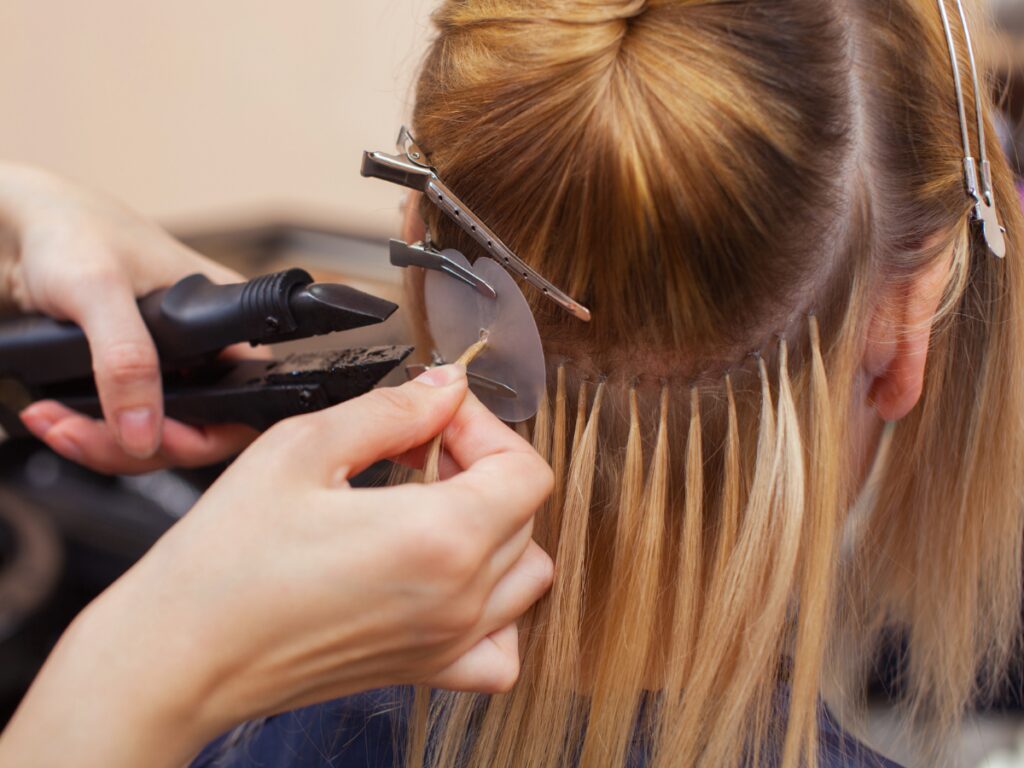
Miami’s warm climate is beautiful, but its humidity can be tough on hair. This is especially true when you wear extensions. Moisture, sweat, heat, and frequent swimming can affect how extensions look and feel. That makes choosing the right extension method important. If you’re researching keratin bond extensions Miami humidity, you may be comparing keratin-bonded extensions with tape-ins. Both methods can add length, volume, and fullness. However, they differ in application and maintenance. They also have different wear times. So, which one lasts longer in Miami’s humid weather? Let’s look at how keratin bonds and tape-ins differs. What Are Keratin-Bonded Extensions? Keratin-bonded extensions, also called K-Tips, i-tip extensions, or keratin fusion extensions, are applied strand by strand. Each individual extension has a small keratin tip that is professionally bonded to a section of natural hair. Because the extensions are installed individually, the placement can be customized according to your natural hair density, desired volume, and overall hairstyle. This creates natural movement and allows the extensions to blend closely with your own hair. Keratin bonds are also known for their durability. According to Extension King, K-Tips can generally last around three to four months with proper care. This longer wear period is one of the main reasons keratin bonds are popular among clients seeking a more permanent-looking extension solution without frequent repositioning appointments. What Are Tape-In Extensions? Tape-in extensions use thin adhesive strips to attach extension hair to sections of your natural hair. The extension panels are placed in a sandwich around the natural hair, creating a flat and lightweight attachment. One of the biggest advantages of tape-ins is their relatively quick application. They also offer flexibility because quality extension hair can often be removed, fitted with fresh adhesive, and repositioned. However, tape-ins require regular maintenance as your natural hair grows. Extension King recommends repositioning tape-in extensions approximately every six to eight weeks. This makes tape-ins a convenient option for clients who prefer a lightweight application and don’t mind returning to an extension salon in miami more frequently for maintenance. Keratin Bond Extensions Miami Humidity: Which Lasts Longer? When the main question is longevity, keratin bond extensions Miami humidity conditions generally have an advantage over tape-ins. Keratin-bonded extensions can typically stay in place for about three to four months with proper maintenance, whereas tape-ins usually need to be repositioned after six to eight weeks. The difference becomes particularly relevant in Miami because humidity, sweat, and water exposure can become part of your everyday routine. Tape-in extensions rely on adhesive to stay attached. While professional-quality tape can provide a secure hold, excessive moisture, oils, and product buildup around the attachment area can make maintenance more demanding. Keratin bonds use a different attachment system and are designed for longer-term wear. Extension King’s K-Tip service specifically highlights the strength and flexibility of its keratin bonds and their ability to handle everyday styling and Miami humidity. That doesn’t mean tape-ins cannot perform well in Miami. They can. The key difference is that tape-ins generally require more frequent professional maintenance. Why Miami’s Humidity Matters for Hair Extensions Humidity doesn’t automatically damage hair extensions, but it can make hair more difficult to manage. When moisture combines with sweat, frequent washing, swimming, and styling, extensions may be exposed to more stress than in a drier climate. Natural hair can also react differently to extensions, which may make frizz or texture differences more noticeable. For tape-ins, particular attention should be paid to the adhesive area. Oils and heavy products should be kept away from the tapes, and the hair should be properly dried after washing. Keratin bonds also need careful maintenance. Extension King recommends sulfate-free products, thorough drying, gentle brushing, and avoiding oils or conditioner directly on the keratin bonds. Therefore, the question isn’t simply whether one extension method can “handle humidity.” It’s about which method fits your lifestyle and how much maintenance you’re willing to provide. Which Should You Choose for Miami? If you want the longest time between salon appointments, keratin-bonded extensions are generally the stronger choice. Their three-to-four-month wear period can be more convenient for clients who have busy schedules or don’t want frequent move-up appointments. Keratin bonds can also be a good option if you want individually placed extensions with natural movement and customized volume. Tape-ins may be better suited to clients who prioritize a flat, lightweight application and the ability to reposition their extension hair regularly. They can also be an attractive choice when you want a less permanent commitment and don’t mind maintaining the extensions every few weeks. Your natural hair should also be considered. Hair density, texture, condition, and your desired amount of length and volume can all influence which method is appropriate. Professional consultation from Extension King can help determine whether keratin bonds or tape-ins are the best fit for your needs in terms of appearance, comfort, longevity, and hair health. Choose Extension King for Hair Extensions in Miami If you’re researching keratin bond extensions in Miami humidity, Extension King Hair Salon & Shop offers K-Tip and tape-in extension services in Miami Beach. Our team assesses your natural hair and helps you choose an extension method that suits your hair type and lifestyle. We also offer keratin tip extensions in Miami Beach and K-Tips extensions in Miami Metro, helping you find the right option for your desired look. Frequently Asked Questions Do keratin-bonded extensions last longer than tape-ins? Yes. Keratin-bonded extensions generally last longer between salon appointments. Extension King states that K-Tips typically last about 3 to 4 months with proper care, while tape-ins generally require repositioning every 6 to 8 weeks. Are keratin bond extensions good for Miami humidity? Yes. Keratin bond extensions Miami humidity conditions can be a practical choice for clients who want longer wear and fewer maintenance appointments. Proper washing, drying, brushing, and product selection are still important. Does humidity affect tape-in extensions? Humidity can make tape-in maintenance more important. Moisture, sweat, oils, and product buildup around the adhesive can affect how well the extensions remain
Top 5 Signs You Need to Visit a Professional Extension Salon in Miami
Hair extensions can instantly transform your hairstyle by adding length, volume, and fullness. While extensions can deliver beautiful results, they also require proper installation, maintenance, and professional care. Choosing the wrong method or ignoring problems with your extensions can affect both their appearance and your natural hair’s condition. If you are considering extensions for the first time or already wear them regularly, knowing when to call a professional extension salon Miami is vital. Changes in how your extensions look, feel, or behave can indicate that it is time for an expert evaluation. When Should You Visit a Professional Hair Extension Salon? You do not necessarily have to wait until something goes seriously wrong before visiting a salon. A professional consultation can help you choose the right extension method from the beginning and ensure your extensions continue to look natural as your hair grows. Professional assistance can be especially valuable if you are experiencing problems with blending, comfort, maintenance, or natural hair health. Why Professional Extension Services Matter A qualified extension specialist can evaluate your: Natural hair texture and thickness Hair color and undertones Desired length and volume Lifestyle and styling habits Current extension condition Maintenance requirements Extension King is known to recommend an approach tailored to your individual hair rather than a one-size-fits-all method. Top Signs You Need Professional Hair Extension Services Wondering whether your extensions need professional attention? These five signs can help you decide when it is time to schedule an appointment with a professional hair extension salon Miami clients can trust. Your Hair Extensions No Longer Blend Naturally One of the first signs that you need professional assistance is when your extensions no longer look like a natural part of your hair. Your extensions may have looked seamless when they were first installed, but natural hair growth, coloring, sun exposure, and everyday styling can gradually affect your hair extension results over time. You may notice: A visible difference between your natural hair and extensions Mismatched color or undertones Uneven length Bulky attachment areas Extensions that look obvious instead of seamless At Extension King, extension services are customized according to factors such as hair color, texture, thickness, and desired volume to create a more natural-looking result. Your Extensions Feel Heavy or Uncomfortable Hair extensions should not leave you constantly dealing with scalp discomfort. If your extensions feel too heavy, tight, or painful, it is worth having them professionally evaluated. Excessive tension or an unsuitable application method can make extensions uncomfortable and may place unnecessary stress on natural hair. Common Reasons Extensions May Feel Uncomfortable Too much extension hair Improper placement Excessive tension An unsuitable extension method Extensions that need maintenance Your Extensions Are Constantly Tangling or Matting Some occasional tangling is normal, but persistent knots and matting can make extensions difficult to maintain. If brushing your hair has become a daily struggle, your extensions may require professional attention. Common causes include: Improper installation Incorrect brushing techniques Using unsuitable hair products Lack of regular maintenance Friction while sleeping Extensions that have become difficult to manage You Want More Length or Volume Another sign that it may be time to visit a professional is simply wanting more from your current hairstyle. Perhaps your original extensions no longer provide the volume you want. Maybe you have decided that you want longer hair, fuller ends, or a more dramatic transformation. Instead of adding more hair yourself, consult a professional. You Are Concerned About Your Natural Hair Your natural hair should always remain a priority when wearing extensions. If you notice changes in your natural hair or scalp, do not ignore them. A professional evaluation can help identify whether your current extensions or application method need to be changed. Warning Signs to Watch For Consider booking a professional consultation if you notice: Increased breakage Persistent scalp tenderness Excessive pulling or tension Thinning around attachment areas Difficulty removing extensions Changes in your natural hair density Professional installation and appropriate maintenance can help you make better decisions about your extensions. What Should You Look for in a Professional Hair Extension Salon? Choosing the right salon is just as important as choosing the right extension method. Before booking an appointment, look for a salon with experience in professional extension installation and maintenance. Consider whether the salon provides: Personalized consultations Experienced extension specialists High-quality human hair Professional color matching Customized extension solutions Proper maintenance services Clear aftercare guidance Get Professional Hair Extensions in Miami? If you are searching for a professional hair extension salon Miami clients can rely on, Extension King Hair Salon & Shop specializes in premium hair extensions in Miami Beach. The salon offers its signature Cold Pressed hair extension technique, which uses a strand-by-strand application without heat, glue, or chemicals. Extension King also works with 100% human Remy hair and customizes extensions based on factors including color, texture, thickness, length, and desired volume. Whether you want subtle fullness or a complete transformation, a professional consultation can help you determine the right approach for your hair goals. Frequently Asked Questions How often should I have my hair extensions professionally maintained? The ideal maintenance schedule depends on the extension method, your natural hair growth, and your individual hair-care routine. Your stylist can recommend a schedule based on your specific extensions. Are uncomfortable hair extensions normal? Persistent tightness, pulling, or scalp discomfort should not simply be ignored. A professional stylist should evaluate the installation and determine whether adjustments are necessary. Why are my hair extensions constantly tangling? Tangling can result from improper installation, inadequate maintenance, unsuitable products, friction, or changes in the condition of the extension hair. A professional can help identify the cause. Can professional hair extensions add both length and volume? Yes. Extensions can be customized to provide additional length, volume, or both. The amount of hair used should be based on your natural hair density and desired result. The ideal maintenance schedule depends on the extension method, your natural hair growth, and your individual hair-care routine. Your stylist can recommend a schedule
Before and After: Real Results from Hair Extension Clients in Miami
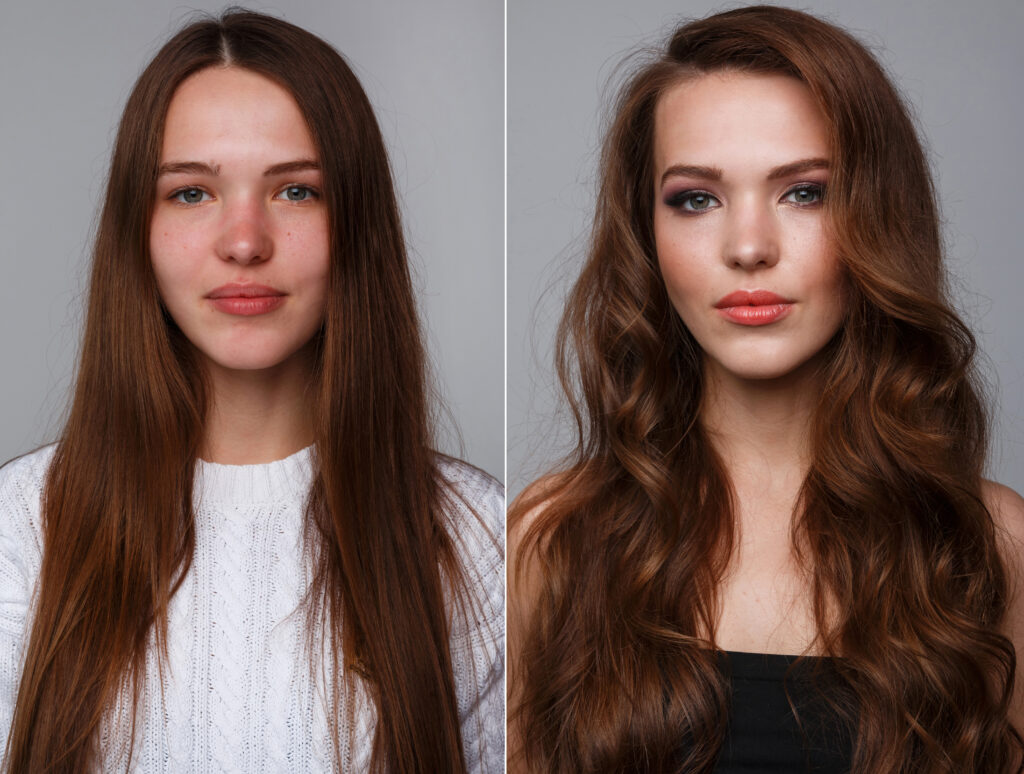
Photos say more than any description ever could, which is why before-and-after transformations are such a popular way to explore what a Miami hair extension service can actually deliver. From added length to serious volume, the difference a well-applied set makes is often dramatic, yet the result should still look completely natural. What Makes a Transformation Feel Authentic The best extension results don’t scream for attention. They look like healthier, fuller, longer versions of a client’s own hair, even when working with color-treated hair extensions that need to blend with an existing shade. A skilled stylist blends color, texture, and cut so seamlessly that friends and family notice something is different without being able to pinpoint exactly what changed. That authenticity comes down to a few key factors working together: an accurate hair extension color match, the right technique for the client’s hair type, and a cut that integrates the extensions into the client’s natural layers rather than leaving an obvious line. When all three align, the transformation photographs beautifully from every angle, whether the shot is taken in bright daylight or under salon lighting. It also helps to think about movement, not just appearance in a still photo. Extensions that swing and behave like natural hair when a client turns her head or walks outside tend to hold up best under real-world scrutiny, which is often a better test of quality than a single posed picture. Common Before and After Scenarios Every client walks in with a different starting point, but a few transformation types come up again and again. Clients with fine or thinning hair often see the most noticeable before and after difference, since extensions add visible density at the root that natural hair alone can’t replicate. Someone growing out a short haircut typically uses extensions to bridge the gap, going from chin-length to shoulder-length or longer in a single appointment instead of waiting years. Clients recovering from over-processed or damaged hair frequently use extensions to restore length and thickness while their natural hair has time to heal. Brides and special occasion clients often choose wedding hair extensions to add temporary length and volume specifically for one event, creating a dramatic before-and-after without a long-term commitment. Each of these scenarios calls for a slightly different approach in terms of the amount of hair used and where it’s placed, which is part of why a personalized consultation matters more than a one-size-fits-all package. Why the Application Method Shapes the Result Not every transformation looks the same, and that has a lot to do with how the extensions are applied by a professional extension salon. A Miami hair extension service using a cold-pressed, strand-by-strand technique with 100% remy human hair tends to produce a softer, more natural movement than bulkier methods, since each strand is placed individually rather than in thick sections. This matters most in before-and-after photos taken from the back or in motion, where bulkier application methods can sometimes show visible rows or uneven thickness. A strand-by-strand approach blends more evenly along the scalp, which is part of why it photographs so well in both still images and video. Setting Realistic Expectations for Your Own Transformation While before-and-after photos are inspiring, it helps to remember that results vary based on your starting hair length, texture, and density. A consultation is the best way to get a realistic idea of what your own transformation could look like, rather than assuming every result will look identical to a photo you saw online. During a consultation, a stylist assesses your natural hair and talks through what’s achievable, whether that means dramatic length, added volume, or a subtle boost in fullness. This is also a good time to ask questions about maintenance, timelines, and how your results might compare to photos you’ve seen, so there’s no gap between expectation and reality once the extensions are in. You can browse real client photos and reviews on our Customer Feedback page to get a sense of the range of results clients have experienced, and review pricing to understand what different transformations typically involve. The Role of Aftercare in Long-Term Results A great before-and-after photo captures a single moment, but maintaining that result requires ongoing care. Proper brushing, gentle washing, and regular check-ins with your stylist all help extensions stay looking as fresh at week eight as they did on day one. Clients who follow recommended care routines tend to get the most out of their investment, both in how long the extensions last and how natural they continue to look over time. It’s a partnership between the technique used and the habits you build afterward. Small adjustments, like switching to a sulfate-free shampoo or sleeping with hair loosely braided, can make a noticeable difference in how long that fresh, just-styled look actually lasts. See What’s Possible for Your Own Hair Every transformation starts the same way, with a conversation about your hair, your goals, and what a realistic result looks like for you. If the idea of a dramatic Miami hair extension transformation has you curious, the best next step is simple. Book a free VIP consultation and start picturing your own before-and-after. Frequently Asked Questions How long does it typically take to see a full transformation? Most transformations are visible immediately after application, with final styling completed the same day for a polished result. Do before-and-after results vary based on hair type? Yes, starting hair density, texture, and length all influence how dramatic the transformation appears in photos. Can extensions help with thinning hair transformations? Yes, extensions add visible density at the root, which is often the most noticeable change for clients with fine hair. Are before and after results permanent? Extensions are semi-permanent and typically need reapplication over time as natural hair grows and sheds. How can I see examples of real client results? Client transformations and reviews are shared regularly, giving a realistic sense of what different starting points can achieve. Most transformations are visible immediately after application, with
How to Choose a Hair Extension Color Match at a Miami Salon
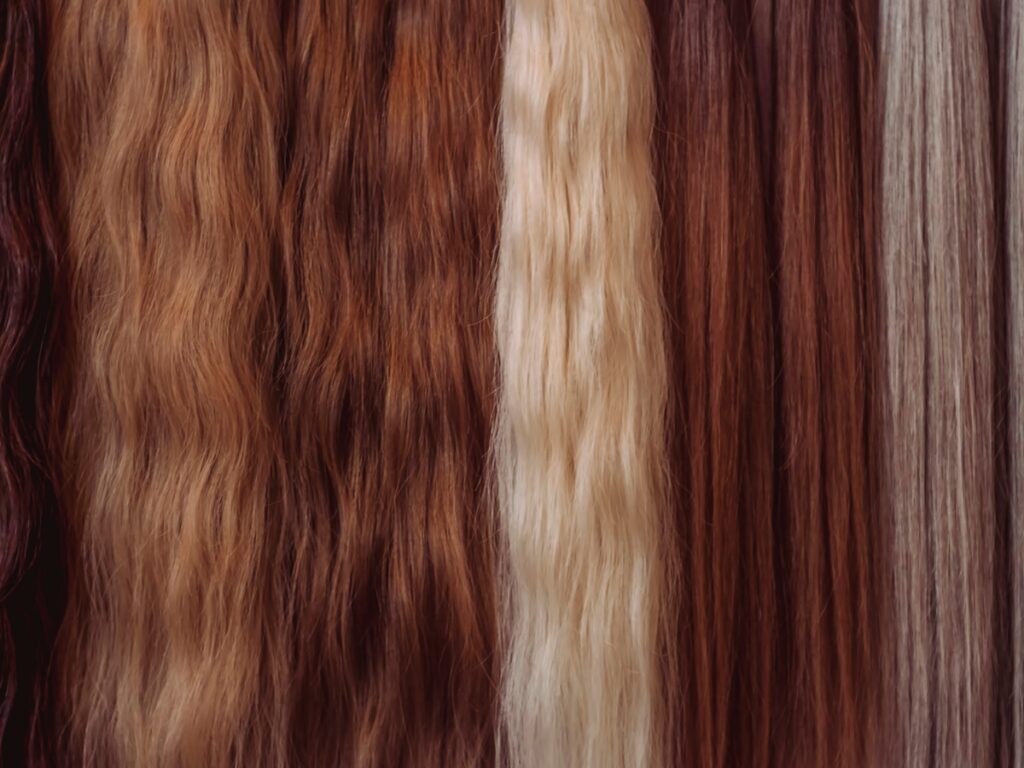
Nothing gives away extensions faster than a color that doesn’t quite blend. A perfect hair extension color match Miami stylists can achieve isn’t guesswork. It’s a careful process that considers your natural base tone, undertones, and even how your hair color shifts throughout the year. If you’re planning your first set of extensions, understanding how that process works can save you from a lot of trial and error. Why Color Match Is the Foundation of Natural-Looking Extensions Length and volume get most of the attention, but color is what actually sells the illusion. Extensions that are even slightly off in tone tend to catch the light differently than your natural hair, creating visible lines or patches that no amount of styling can hide. A skilled colorist looks beyond the obvious shade name on a swatch chart. They study your roots, mid-lengths, and ends separately, since most natural hair carries subtle variation from sun exposure, previous coloring, or simple genetics. Getting a true hair extension color match Miami clients can trust means accounting for all of that, not just picking the closest number on a chart. Understanding Your Natural Base and Undertones Every color match starts with identifying your base tone, whether that’s a warm honey blonde, a cool ash brown, or a rich chocolate with red undertones. Undertones matter just as much as the base color itself. Two people with the same shade name on paper can have completely different undertones, and that difference is exactly what makes extensions look mismatched if it’s overlooked. This is where an in-person consultation becomes essential. Photos and online color charts can only tell you so much, since lighting and screens constantly distort true color. A stylist examining your hair directly, ideally in natural light, catches nuances that digital tools miss. You can get a sense of what that process looks like by browsing hair extension before and after results and real client examples on our Customer Feedback page. The Role of Root-to-End Color Variation Many people assume their hair is one solid shade, but most natural hair actually shifts gradually from roots to ends. Ends tend to be lighter from sun exposure, while roots stay closer to the hair’s natural pigment. A hair extension color match in Miami heat and sun is especially relevant, since our climate accelerates this kind of natural lightening more than in cooler regions. Because of this, a single-tone extension rarely blends perfectly on its own. Many clients benefit from custom-blended wefts or strands that combine two or three shades, mimicking the gentle gradient their natural hair already has. This technique, sometimes called color melting, is part of what separates a professional match from a rushed one, and it’s one of the details our team pays closest attention to during every application. Custom Color Blending for a Seamless Finish Custom blending takes more time than grabbing a pre-dyed set off a shelf, but the payoff is extensions that genuinely disappear into your natural hair. During your consultation, your stylist may hand-select strands from a few different but closely related shades, then layer them strategically so the transition feels organic rather than abrupt. This approach works especially well for balayage, highlights, and hair extensions for bleached hair, where careful color blending can help create a more seamless result. It also allows for adjustments over time, since hair color naturally shifts with the seasons, sun exposure, and salon visits. A good stylist treats color matching as an ongoing relationship, not a one-time decision. Depending on how many shades and how much hair your look requires, costs can vary, so it’s worth reviewing our pricing beforehand to plan your visit. What to Bring or Prepare Before Your Consultation A little preparation helps your stylist nail the match on the first try. Come in with your hair in its most natural state, free of recent box dye touch-ups that might not reflect your usual color. If you have reference photos of bridal hair extensions or other extension looks you love, bring those along too, since visual examples often communicate more than words. It also helps to mention any upcoming color changes you’re planning, since timing your extensions after a fresh color service, rather than before, generally produces a more accurate and lasting match. Our team has built its reputation on this level of attention to detail, something you can read more about on our About Us page. Why Working With an Established Salon Matters Color matching is as much a skill as it is a science, and it improves with experience. A stylist who has matched hundreds of different natural shades develops an eye for undertones and blending that’s difficult to replicate with a quick online order or a first-time colorist. That experience shows up in the details, from how seamlessly a part line blends to how the color holds up months later. If you’re still deciding where to book, stop by our salon in person, located conveniently for clients across Miami Beach and the surrounding area, and see the quality of the work firsthand. You can find our exact location and hours on our Contact page. Ready for Extensions That Truly Blend In? A flawless hair extension color match Miami brides, professionals, and everyday clients rely on comes down to expertise, patience, and attention to detail. When color is done right, extensions stop looking like an addition and start looking like simply more of your own hair. Book your free VIP consultation today and let a specialist find your perfect match. Frequently Asked Questions How long does a color matching consultation take? Most consultations take around thirty minutes, giving your stylist enough time to assess your natural color and undertones properly. Can extensions be custom blended for balayage or highlights? Yes, custom blending combines multiple shades to mimic natural color variation, creating a seamless finish for multi-tonal hair. What if my hair color changes between appointments? Your stylist can reassess and adjust future extension sets to keep the match accurate as
Can You Swim with Hair Extensions? Saltwater & Pool Tips for Miami
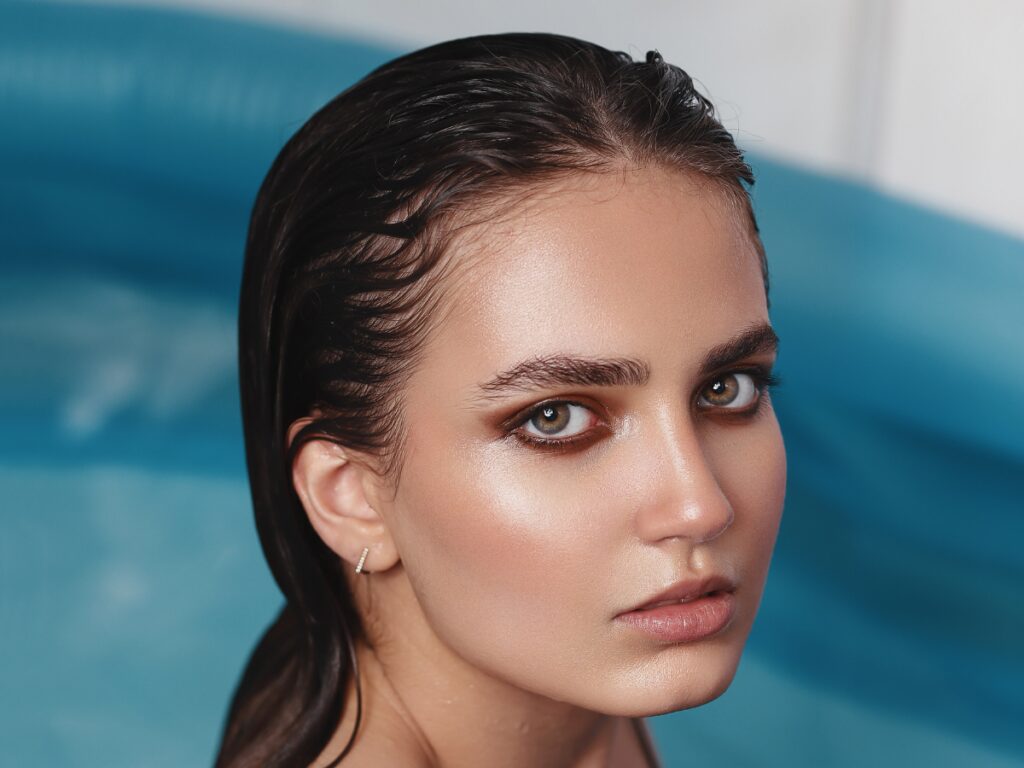
Living in Miami means beach days and pool afternoons are practically part of the routine, so it makes sense that one of the first questions clients ask is whether extensions can survive the water. The short answer is yes, but there are a few things worth knowing before you dive in. If you fall into the group of hair extension swimmers who test saltwater Miami conditions the most, a little preparation goes a long way. Yes, You Can Swim with Extensions In Extensions are not fragile accessories that need to stay out of the water. In fact, plenty of clients swim regularly without any issues. What matters most is how the extensions are applied and how you care for them before and after getting in the ocean or pool, especially if you wear tape-in extensions. With a quality strand-by-strand application using 100% remy human hair, extensions are built to handle everyday life, including swimming. The key is understanding what saltwater and chlorine actually do to hair, extensions included, so you can protect your investment and keep your style looking fresh well past a single trip to the beach. Why Miami Living Puts Extensions to the Test Between the beach, backyard pools, and boat days, water is simply part of life here. That’s part of what makes hair extensions swimmers saltwater Miami conditions demand a different kind of durability than extensions worn in a drier, less humid climate. Frequent sun exposure adds another layer, since UV rays can also dry out hair over time, much like salt and chlorine do. None of this means extensions and an active Miami lifestyle can’t coexist. It simply means a bit more intention around aftercare pays off, and understanding i-tip vs tape-in extensions can help frequent swimmers choose an option that fits their lifestyle. How Saltwater Affects Your Hair and Extensions Saltwater is drying. It pulls moisture out of the hair shaft, which can leave both natural hair and extensions feeling rough or tangled after a swim. For hair extensions, swimmers on Miami beaches see every weekend, this dryness is the biggest complaint, not damage to the bonds themselves. The good news is that saltwater alone rarely causes extensions to slip or loosen. The real issue is texture. Salt crystals settle into the hair as it dries, which is why extensions can feel crunchy or coarse if they’re not rinsed soon after leaving the water. Left too long, that residue can also make tangling worse the next time you brush or style. What Pool Chlorine Does Differently Chlorine behaves a bit differently than saltwater. It’s a chemical designed to kill bacteria, and it doesn’t discriminate between your natural strands and your extensions. Over time, repeated chlorine exposure without rinsing can cause dullness and a change in texture, especially on lighter colored hair. Some clients also notice their hair feels heavier or looks slightly off-tone after a summer of frequent pool visits. Extensions applied without heat or glue tend to hold up better against this kind of exposure, since there’s no adhesive bond that chlorine could weaken. That’s one reason a heat-free, glue-free technique is worth asking about if you swim often, particularly if pool days are a regular part of your week rather than an occasional outing. Protecting Your Extensions Before and After a Swim A few simple habits make a big difference for anyone who spends time in the water regularly. Wetting your hair with fresh water before swimming helps reduce how much saltwater or chlorine your strands absorb, since already-damp hair soaks up less pool or ocean water. Braiding or tying hair up during a swim also limits tangling at the point where extensions meet natural hair, which is often the most sensitive area. Rinsing thoroughly with clean water immediately after swimming removes salt and chlorine before they have a chance to dry into the hair and settle in as residue. Following up with a leave-in conditioner or hydrating spray afterward restores moisture and keeps extensions feeling soft rather than straw-like. A wide-tooth comb, used gently from the ends up, also helps prevent unnecessary breakage while hair is still wet and more delicate. None of these steps take more than a few minutes, but they add up to noticeably healthier extensions over the course of a Miami summer. Why Application Method Matters for Swimmers Not all extension methods handle water equally well. Tape-in extensions, for example, can be more sensitive to prolonged moisture exposure, which sometimes shortens their lifespan for frequent swimmers. A cold-pressed, strand-by-strand application uses no heat, glue, or tape, which means there’s no adhesive to break down from repeated exposure to salt or chlorine. This is especially relevant for hair extensions worn by swimmers in saltwater Miami water tests all year long, since swimming here isn’t an occasional activity but a lifestyle. Extensions applied with a durable, water-friendly technique give you the freedom to enjoy the beach or pool without constantly worrying about upkeep, slipping strands, or an uneven finish by the end of the season. Frequently Asked Questions Can I swim in the ocean with hair extensions? Yes, extensions can handle saltwater. Just rinse and condition your hair soon after swimming to prevent dryness. Will chlorine ruin my extensions? Not immediately, but repeated exposure without rinsing can cause dullness. Rinsing right after a swim helps protect the hair. Should I tie my hair up before swimming? Yes, braiding or tying hair back reduces tangling and limits how much water reaches the extension bonds. Do certain extension methods handle water better? Heat-free, glue-free methods tend to hold up better long-term since there’s no adhesive exposed to salt or chlorine. How often should I deep condition if I swim a lot? Frequent swimmers typically benefit from deep conditioning weekly to restore moisture lost to saltwater and chlorine. Yes, extensions can handle saltwater. Just rinse and condition your hair soon after swimming to prevent dryness. Not immediately, but repeated exposure without rinsing can cause dullness. Rinsing right after a swim helps
Bridal Hair Extensions in Miami: Everything You Need Before Your Wedding Day
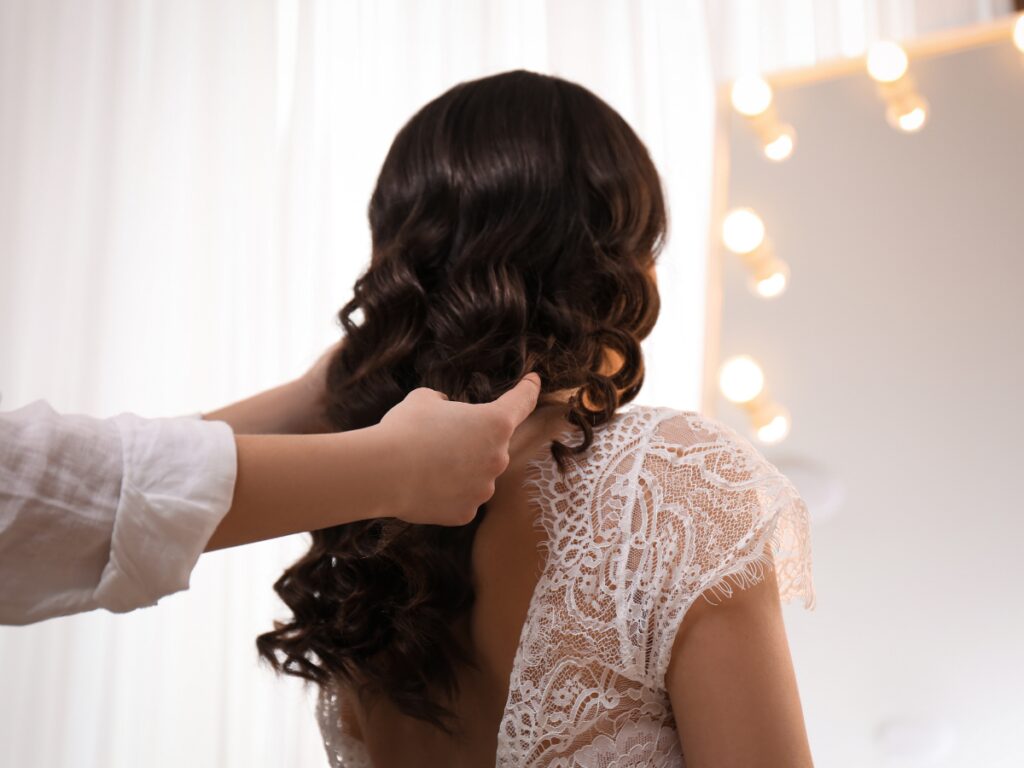
Your wedding day photos will outlive the flowers, the cake, and even the playlist. That’s why so many brides start researching bridal hair extensions Miami stylists recommend months before walking down the aisle. Whether you’re dreaming of a cascading updo or loose beachy waves, the right extensions can turn your vision into reality without a single hair out of place. Our team has spent years perfecting bridal looks, a story you can read on our About Us page. Why Miami Brides Choose Extensions for Their Wedding Look Miami weather is gorgeous, but it isn’t always kind to hair. Humidity, heat, and outdoor ceremonies can flatten volume and cause curls to fall before the first dance even starts, so brides should also know how to swim with hair extensions if their wedding plans include poolside events or beach activities. That’s why bridal extensions aren’t just about length. They’re about creating a style that holds up through vows, photos, and dancing until midnight. Extensions also solve a problem many brides don’t expect. Between wedding planning stress and tight styling schedules, natural hair sometimes needs a little help reaching its full potential. Extensions give your stylist more to work with, whether you want a dramatic braided crown or a sleek, voluminous blowout. What to Expect From a Bridal Consultation Every bride’s timeline and goals are different, so the process starts with a real conversation, not a rushed appointment. Your stylist evaluates your natural hair, discusses your wedding-day vision, and helps decide the ideal length, color match, and volume for your gown and hairstyle. This is also when questions about wedding hair extensions get answered, from how many rows you’ll need to how they’ll react to an outdoor ceremony. If you’re searching for hair extensions for wedding day near me, look for a salon that treats this consultation as the foundation of the experience. You can review our full pricing details before your visit. The Cold Pressed Advantage for Brides Many wedding hair questions circle back to one concern: damage. Brides don’t want to walk into their big day worrying about breakage or an obvious application method. Our signature Cold Pressed technique uses no heat, no glue, and no tape. Each strand is bonded strand by strand with 100% remy human hair, so the result looks like your own hair, only fuller and more polished. This matters most on a day filled with hugs, dancing, and a whirlwind of movement. Since there’s no adhesive or heat tool involved, your extensions blend seamlessly and move naturally through every photo angle, from the ceremony to the last song of the reception. Real brides have shared their own transformations on our Customer Feedback page. Timing Your Extensions Before the Big Day A common mistake brides make is booking extensions too close to the wedding. We recommend scheduling your application one to two weeks before the ceremony, giving your hair time to settle and giving you a chance for a trial run with your hairstylist. A trial appointment lets you test your chosen updo with the extensions in place, so there are no surprises on the wedding morning, and time to adjust length or volume, something much harder to do the week of. Styling Ideas That Photograph Beautifully Extensions open up styling options that aren’t possible with shorter or thinner natural hair. Soft romantic waves catch the light at outdoor venues, while a textured low bun adds volume without looking bulky under a veil. Braided details woven through longer hair create dimension that reads beautifully in close-up and wide wedding photos alike. Whatever style you choose, the extensions should feel like an invisible upgrade, not an obvious addition. That’s the standard every bride deserves. Frequently Asked Questions How far in advance should I book bridal hair extensions? We recommend booking one to two weeks before your wedding, plus time for a styling trial with your chosen look. Will extensions hold up through an outdoor Miami wedding? Yes, the Cold Pressed method is designed to hold securely through heat, humidity, and hours of movement. How long do cold pressed extensions last before a touch-up? The timing for maintenance and touch-ups can vary depending on individual hair growth, lifestyle, and extension care routine. Your stylist can provide guidance during your consultation. Is there a salon convenient to Downtown Miami offering cold pressed extensions? Yes, Extension King Hair Salon & Shop provides professional cold pressed extension services for clients near Downtown Miami. Can I still color, curl, or straighten cold pressed extensions? Styling options depend on the extension type and professional recommendations. Discuss your styling preferences during your consultation to understand available options. How much do cold pressed hair extensions cost for Downtown Miami clients? Pricing depends on factors such as the amount of hair needed, desired length, and application requirements. Extension King Hair Salon & Shop provides personalized pricing details during consultation. We recommend booking one to two weeks before your wedding, plus time for a styling trial with your chosen look. Yes, the Cold Pressed method is designed to hold securely through heat, humidity, and hours of movement. The timing for maintenance and touch-ups can vary depending on individual hair growth, lifestyle, and extension care routine. Your stylist can provide guidance during your consultation. Yes, Extension King Hair Salon & Shop provides professional cold pressed extension services for clients near Downtown Miami. Styling options depend on the extension type and professional recommendations. Discuss your styling preferences during your consultation to understand available options. Pricing depends on factors such as the amount of hair needed, desired length, and application requirements. Extension King Hair Salon & Shop provides personalized pricing details during consultation.
Clip-In Ponytail and Bun Extensions in Miami: A Buyer’s Guide

Many people searching for clip-in ponytail bun extensions in Miami stores are looking for a quick way to add volume, length, or a polished finish without committing to a permanent extension method. Whether you are preparing for a special event or simply want more styling flexibility, clip-in pieces offer a convenient way to change your look. Before making a purchase, it is important to understand how these extensions work, what features to look for, and whether they are the best fit for your hair type and lifestyle. At Extension King Hair Salon & Shop, we help clients explore different hair extension options through personalized consultations, making it easier to find a solution that complements their hair goals and lifestyle. What Are Clip-In Ponytail and Bun Extensions? Clip-in ponytail and bun extensions are temporary hairpieces designed to add instant volume, length, or fullness to your hairstyle without requiring a long-term commitment. They attach to your natural hair using clips or wrap-around designs, making them easy to apply and remove whenever you want a different look. Many people choose these extensions for their convenience and styling flexibility. These hairpieces are a popular option for special occasions, professional settings, or everyday wear when you want a fuller ponytail or a more polished bun. Available in a variety of colors, lengths, and textures, they can create a more natural-looking appearance when closely matched to your own hair. Choosing the right option depends on your hair type, styling preferences, and desired results. Why Clip-In Extensions Appeal to Many Clients Clip-in ponytail and bun extensions appeal to many people because they offer a simple way to add volume, length, or a polished finish without changing their everyday hair routine. They are a popular choice for special occasions, professional events, or anyone who enjoys changing hairstyles with minimal effort. Another advantage is their styling versatility. A clip-in ponytail can create a sleek or voluminous look, while a bun piece can add fullness to classic or relaxed updos. Exploring different clip-in hair extension styles can help you find a look that suits your outfit, occasion, and personal preferences. Choosing a piece that closely matches your natural hair color and texture helps create a more seamless appearance. If you are comparing clip-in ponytail bun extensions Miami stores, it is also worth considering whether a temporary extension or a longer-lasting method better suits your styling habits, hair type, and overall goals. A professional consultation can help you understand the differences and choose the approach that works best for you. What to Look for Before Buying If you are researching clip-in ponytail bun extensions Miami stores, there are several important features to consider before making a decision. Taking time to compare these features can help you choose an extension piece that meets both your styling needs and expectations. Temporary vs. Longer-Lasting Extension Options: Which is the Best? Choosing between temporary and longer-lasting hair extensions depends on your styling goals, lifestyle, and how often you want to wear them. Clip-in ponytail and bun extensions are popular with people who want the flexibility to add volume or length for special occasions or everyday styling without a long-term commitment. They can be applied and removed whenever needed, making them a convenient option for occasional use. For those looking for a more consistent look, a longer-lasting extension method may be a better fit. During a personalized consultation, your stylist can evaluate your natural hair, discuss your desired look, and recommend the extension option that best aligns with your hair type, styling routine, and long-term goals. This personalized approach helps you make a confident, informed decision. Why Professional Guidance Matters Choosing the right hair extension option involves more than selecting a style or length. A personalized consultation helps you understand which approach best suits your natural hair, styling preferences, and long-term goals. Whether you are considering temporary clip-in pieces or exploring a longer-lasting extension method, professional guidance can help you make a confident, informed decision. During your consultation, your stylist can help you: Every consultation is tailored to your individual needs, providing expert recommendations and a personalized plan to help you achieve beautiful, seamless-looking results. Ready to Explore Your Options? Choosing the right hair extension solution starts with understanding your hair goals, lifestyle, and styling preferences. While clip-in ponytail and bun extensions offer a convenient option for temporary styling, they may not be the ideal choice for everyone. A personalized consultation can help you determine which extension method best complements your natural hair, styling preferences, and long-term goals. At Extension King Hair Salon & Shop, every recommendation is tailored to your individual needs. During your FREE VIP Consultation, our team will discuss your goals, evaluate your natural hair, and recommend an extension solution designed to achieve beautiful, natural-looking results. Schedule your consultation today and take the first step toward your ideal hairstyle. Frequently Asked Questions 1. Are clip-in ponytail and bun extensions suitable for everyday wear? Clip-in ponytail and bun extensions can be worn whenever you want added volume or fullness. The right option depends on your styling preferences, hair type, and lifestyle. 2. How do I choose the right clip-in ponytail or bun extension? Look for a piece that closely matches your natural hair color, texture, and desired length for the most seamless and natural-looking result. 3. Are clip-in extensions better than longer-lasting extension methods? Each option offers different benefits. A personalized consultation can help determine which extension method best suits your hair type, goals, and lifestyle. 4. Can clip-in ponytail and bun extensions look natural? Yes, when you choose a high-quality extension that matches your natural hair color and texture, it can blend seamlessly for a polished appearance. clip-in ponytail bun extensions5. Should I schedule a consultation before choosing hair extensions? Yes. A consultation allows your stylist to discuss your hair goals, evaluate your natural hair, and recommend the extension option that best fits your needs.
Tape-In Hair Extensions for Thick Hair: Miami Stylist Recommendations

If you have thick, voluminous hair, you already know that not every extension method works the same way for you. Tape-in extensions for thick hair are a common search among Miami residents looking for a quick, adhesive-based extension method. However, thick hair often benefits from a personalized approach based on its unique density, texture, and styling goals. At our luxury hair salon, we meet clients every week who want more length or volume without weighing down their natural hair or creating visible bulk at the roots. Understanding how different extension methods interact with thick, dense hair helps you make a confident, informed decision before you book anything. Ready to explore your best option? Schedule a free VIP consultation with our team, and let us guide you toward a natural, seamless result. What Are Tape-In Extensions? Tape-in extensions use pre-taped hair wefts that attach to small sections of your natural hair with adhesive strips. This method is known for its relatively quick application and is one of several extension options available today. When it comes to tape-in extensions for thick hair, choosing the right method depends on factors such as your hair density, texture, styling goals, and personal preferences. A personalized consultation helps determine which extension approach is best suited to your hair, ensuring natural-looking results and a comfortable fit. At Extension King Hair Salon & Shop, our team recommends the most suitable extension solution based on your individual hair goals and our signature Cold Pressed technique. Why Thick Hair Changes the Equation Thick hair has unique characteristics that can influence which extension method is the best fit. Factors such as hair density, texture, and styling goals all play an important role in creating a natural-looking, comfortable result. Rather than relying on a one-size-fits-all approach, choosing the right technique starts with understanding your individual hair needs. We take a personalized approach to every client at our salon. During your consultation, we review your natural hair, discuss your goals, and recommend the extension solution that best complements your hair type. Our signature Cold Pressed Strand-by-Strand technique is designed to create a lightweight, seamless finish that blends naturally with thick, voluminous hair. Rethinking Tape-In Extensions for Thick Hair in Miami Many clients who begin by researching tape-in extensions for thick hair in Miami discover a different approach during their consultation. At Extension King Hair Salon & Shop, we use our signature Cold Pressed Strand-by-Strand technique, which is applied without heat, glue, or harsh chemicals. Each extension is placed individually to create a personalized application tailored to your natural hair. This individualized placement is designed to create a natural-looking, seamless result that moves comfortably with your own hair. By customizing the placement based on your hair’s density, texture, and styling goals, we help achieve beautiful results that complement your natural hair. The Cold Pressed Advantage for Thick, Voluminous Hair Our Cold Pressed method relies on 100% Remy human hair, with every cuticle aligned in the same direction. This helps maintain a smooth, natural-looking appearance, even when layered with naturally thick strands. Because each piece is placed individually rather than in one continuous weft, the added hair distributes evenly across your head instead of concentrating weight in a few spots. This individualized placement helps distribute the added hair more evenly, creating a lightweight, comfortable feel that blends naturally with thick hair. When considering volume vs length extensions in Miami, even distribution means less strain on any single section of your natural hair, creating a lightweight, comfortable feel while being gentle on it. The result is a lightweight feel with real movement, so extensions blend in rather than stand out. What Happens During Your Consultation Every client starts with a free VIP consultation. During this session, we look closely at your natural hair density, texture, and goals, whether that means more length, more volume, or both. This step matters most for thick hair, since the right color match, texture match, and placement plan all depend on understanding exactly how your hair behaves. We walk you through what to expect, answer your questions honestly, and build a plan around your hair rather than a one-size-fits-all approach. You can learn more about our team and philosophy on our About Us page. Choosing a Trusted Extension Specialist in Miami Not every salon has genuine experience working specifically with thick, dense hair types, and this distinction matters more than most people realize. When you are comparing options for thick hair extensions in Miami, look closely at how a salon actually approaches density, texture, and long-term hair health before booking anything. A trustworthy team will offer individualized consultations rather than rushed, one-size-fits-all appointments, use high-quality Remy human hair with properly aligned cuticles, and stand behind its work with a damage guarantee that reflects its commitment to healthy, natural-looking results. For clients seeking a comfortable and natural-looking option, hand-tied extensions can provide a seamless blend while supporting the desired look and feel. Ready for a Natural, Seamless Result? Thick hair deserves an extension method built around it, not the other way around. If you have been searching for tape-in extensions recommended by Miami stylists for thick hair, we invite you to explore the Cold Pressed Strand-by-Strand technique instead. It is designed to protect your natural hair while giving you the length and volume you are after. Schedule your free VIP consultation today to learn which extension method is best suited to your hair goals. Frequently Asked Questions 1. Are tape-in extensions a good option for thick hair? The best extension method depends on your hair’s density, texture, and styling goals. A personalized consultation helps determine the most suitable option for achieving natural-looking results. 2. Will extensions damage my natural hair if my hair is thick? When applied by a trained professional using gentle techniques, extensions should support your natural hair health rather than compromise its condition or strength. 3. How do stylists choose the right extension method for thick hair? Stylists evaluate your hair’s density, texture, and goals during a personalized
