
Best Hair Extensions for Short Hair Transformations

If you have ever looked in the mirror and felt frustrated by the slow pace of your hair growth, you are definitely not alone—especially if you have fine hair that can often feel flat or difficult to style. Whether you are recovering from a haircut that went a little too short or you simply want to change your look for a special Miami event, the right solution is closer than you think. At Extension King Hair Salon & Shop, we specialize in helping clients transition from cropped cuts to flowing manes in just one session. Using hair extensions for short hair allows you to skip the awkward growing-out phases and jump straight to the long, voluminous style you have always wanted, even if you naturally have fine hair. This guide covers everything from choosing the right method to ensuring your new look stays flawless for months. Why Hair Extensions Are Perfect for Short Hair Adding a short hair extension set is about more than just adding inches to your frame. It provides an immediate solution for boosting hair volume, which is often a challenge for those with shorter, finer styles. In a city like Miami, where fashion and confidence go hand in hand, having the ability to switch up your look instantly is a massive advantage. Extensions also offer incredible protection for your natural strands. By wearing extensions, you often find yourself using less heat and styling products on your own hair, allowing it to grow underneath undisturbed. They are also a versatile way to experiment with different colors, like balayage or highlights, without the commitment of chemical dyes. Things to Consider Before Choosing Hair Extensions Before you commit to a transformation, it is important to evaluate the current state of your hair. Your hair length is the primary factor. For the most natural result, your hair should be at least 3 to 4 inches long. This ensures there is enough hair to cover the attachment points so they remain invisible even when the wind blows. You should also consider your hair texture and density. If you have very fine hair, you will need a lightweight method that does not pull on the roots. Your daily lifestyle also matters. If you are frequently at the beach or hitting the gym, you need a durable option that can withstand moisture and movement. Our experts at Extension King Hair Salon & Shop always perform a thorough assessment to ensure the method chosen aligns with your hair goals and scalp health. Top Types of Hair Extensions for Short Hair Selecting the right technique is essential for a successful blend. Here are the most effective professional hair extension methods for those starting with shorter lengths: How to Blend Extensions with Short Hair Seamlessly The secret to a believable transformation lies in the hair blending process, especially when using clip-ins for short hair. If you simply add long hair under a short, blunt cut, you will end up with a visible “shelf” effect. To prevent this, our stylists use professional cutting techniques to taper the ends of your natural hair, allowing it to transition smoothly into the extensions. Color matching is equally important. We often use multiple shades to mimic the natural dimensions of your hair. Finally, hair styling is your best friend. Styling your hair with soft waves or curls helps to hide the transition points and creates a unified, cohesive look that looks like it grew right from your scalp. Best Hairstyles with Extensions for Short Hair Once your extensions are installed, you are no longer limited to just one look. One favorite in Miami is the “Boho Wave,” which uses the added length to create a relaxed, beach-ready vibe. You can also pull off a “sleek high ponytail.” While short hair often leaves “flyaways” at the nape of the neck, extensions provide the weight needed to keep everything in place. For those who love a bit of romance, half-up braids are now possible, as the extensions provide the necessary thickness to make braids look full and intricate. Maintenance Tips for Long-Lasting Results To keep your investment looking beautiful, you must follow a dedicated care routine. Common Mistakes to Avoid A common error is choosing extensions that are too heavy for your natural hair type. This can cause unnecessary stress on the roots. It is always better to prioritize the health of your hair while choosing the perfect length rather than focusing on extreme length. Another mistake is ignoring the “growing out” period. As your natural hair grows, the attachment points will move further down the head, making them harder to hide. Skipping your maintenance appointments can lead to matting and tangles. Finally, never attempt to remove professional hair extension methods at home. Professional removal ensures that your natural hair remains undamaged and ready for its next style. FAQs Can very short hair use extensions? Yes, most extensions can be applied if your hair is at least 3 inches long. For pixie cuts, we use specific placement techniques to ensure a natural look. How long do extensions last? Depending on the type, they can last between 6 weeks and 4 months. Tape-ins usually require maintenance every 6 to 8 weeks, while keratin bonds can last longer. Are extensions damaging? When applied by an experienced professional and maintained correctly, extensions do not damage your hair. In fact, many clients find their natural hair grows better while wearing them. Book Your Transformation in Miami Don’t wait years for your hair to grow. At Extension King Hair Salon & Shop, we have the expertise to give you the hair of your dreams today. Our team is committed to providing top-tier service and high-quality hair that feels and looks completely natural. Visit our website to book your consultation and discover the best hair extensions for short hair.
Remy Hair Extensions vs Non-Remy: What’s the Difference?
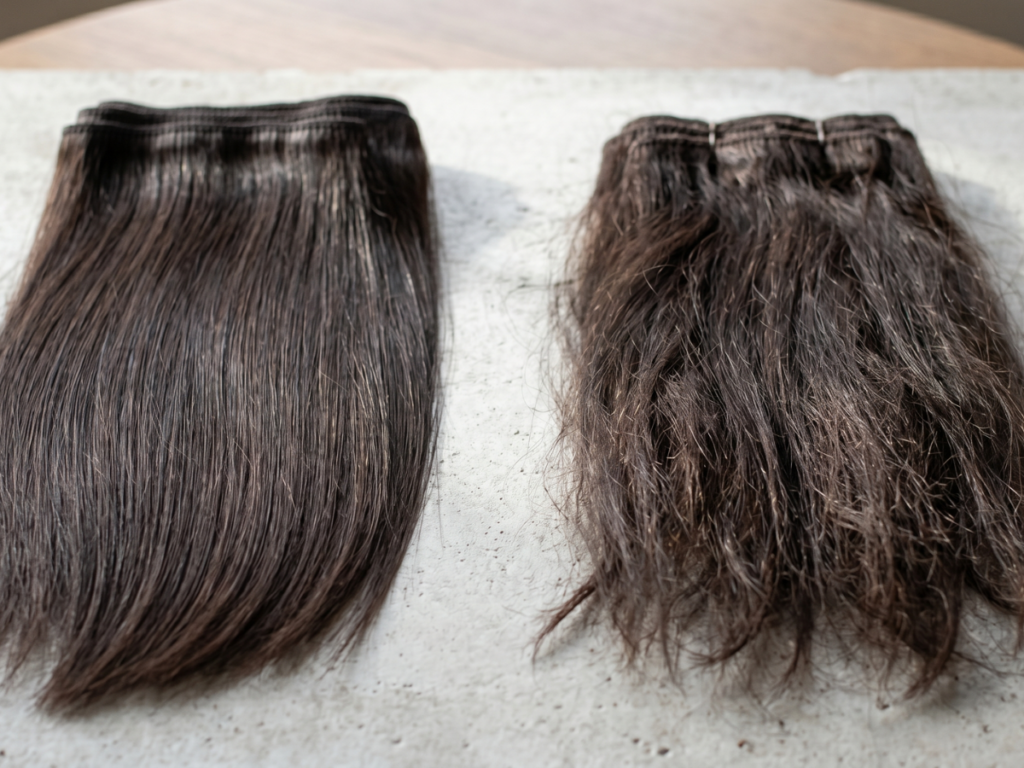
Choosing between premium cuticle-aligned extensions and lower-grade alternatives is one of the most important decisions you can make for your beauty routine and long-term hair health. When you invest in hair extensions, you are not simply adding length or volume. You are also making a decision that can affect the condition of your natural strands and overall scalp wellness. Selecting poor-quality extensions may create ongoing frustration and even contribute to hair loss and permanent hair breakage. In this guide, we will explain how the structure and quality of extensions directly influence the durability, appearance, and health of your hairstyle. What Is Remy Hair? Within the professional beauty industry, Remy hair is considered the highest standard because of the careful collection process used to preserve the natural structure of each strand. During harvesting, every fiber is maintained in the same direction from root to tip, ensuring the outer cuticle layers stay properly aligned. This meticulous technique helps create smoother, longer-lasting extensions that blend naturally and resist tangling over time. The cuticle is the outermost protective layer of the hair. It consists of overlapping scales that resemble shingles on a roof. When these scales all point in the same downward direction, the hair remains smooth, shiny, and soft. This alignment is vital for maintaining healthy hair with extensions because it eliminates the friction that causes severe tangling. Because the cuticles are intact, the hair retains moisture better and reflects light more naturally, giving you that sought-after salon glow. What Is Non-Remy Hair? Non-Remy hair comes from mixed sources like floor sweepings, causing disorganized cuticle directions. To prevent instant matting, manufacturers use harsh chemicals to strip the cuticle layer entirely. They then apply a silicone coating for temporary shine. Once you wash these Hair Extensions, the silicone vanishes. This exposes a damaged core, leading to severe bird-nesting and Hair Breakage. This tangling puts immense stress on your Natural Hair and can compromise Scalp Health. For a long-term solution, choose safe hair extension methods to avoid Hair Loss and maintain healthy hair with extensions. Remy vs Non-Remy Hair: Key Differences Feature Remy Hair Non-Remy Hair Cuticle Status Intact and Aligned Stripped or Misaligned Longevity 6 to 12 months 4 to 6 weeks Price Premium Investment Budget-Friendly Maintenance Low / Manageable High / Difficult Styling Can be heat styled Heat causes damage Feel Soft and Silky Coarse after washing Pros and Cons of Remy Hair Extensions The Pros: The primary benefit of Remy hair is its ability to blend seamlessly with your own strands. Because it behaves like human hair, it moves naturally when you walk. It is the foundation for safe hair extension methods because the lack of tangling means there is no unnecessary weight pulling on your follicles. It is durable enough to survive daily brushing, washing, and heat styling without losing its luster. The Cons: The main drawback is the upfront cost. Because the collection process is labor-intensive, the price is higher. It also requires the use of professional-grade, sulfate-free products to keep the cuticles hydrated. However, most users find that the long lifespan makes it more affordable in the long run than constantly replacing cheaper hair. Pros and Cons of Non-Remy Hair Extensions The Pros: Non-Remy hair is very accessible and easy on the wallet. It is a popular choice for budget-conscious shoppers who only need hair for short-term use. If you are doing a photoshoot or a one-night event and do not plan to wear the hair again, this might be a viable option. The Cons: The risks often outweigh the savings. The biggest issue is hair breakage. As the hair mats, it creates heavy knots that pull on your own hair. This tension can lead to traction alopecia, which is a form of hair loss caused by constant pulling. The hair also loses its beauty very quickly, often looking dry and straw-like after just two or three washes. How to Choose Between Remy and Non-Remy Hair When making your choice, consider your lifestyle and styling habits. If you are someone who works out, swims, or styles your hair every morning, Remy is the only logical choice. It can handle the moisture and heat of a busy lifestyle in a humid climate like Miami. If you prefer clip-in extensions for occasional use, you might find more flexibility. However, for semi-permanent methods like tape-in extensions or keratin bonds, quality is non-negotiable. Our expert advice on hair extensions is to always prioritize the long-term health of your hair over a cheap price tag. Investing in quality prevents the need for expensive repair treatments for your natural scalp later on. How to Spot Genuine Remy Hair In a market flooded with products, it is easy to get confused. Here are practical ways to ensure you are getting the real deal: Care Tips for Hair Extensions To keep your extensions looking like they just came out of the salon, follow these professional hair extension care tips. First, never sleep on wet hair. Moisture weakens the bonds and causes the hair to swell, leading to mats. Second, use maintenance tips for hair extensions such as brushing three times a day with a special extension brush. This prevents tangles from forming at the attachment points. Many people believe that hair extensions damage natural hair, but this is a common myth. Damage is almost always the result of poor-quality hair or neglect. By using high-quality Remy K-tips and following a strict care routine, you can actually protect your natural hair. It acts as a barrier against environmental damage and reduces the amount of heat you apply directly to your own strands. FAQs Is Remy hair worth the price? Absolutely. While the initial cost is higher, you can wear Remy hair for up to a year. Non-Remy hair usually needs to be thrown away after a month. You end up spending less money per month with Remy hair. Can non-Remy hair look natural? It can look natural for the first day. However, once you sweat or wash
Do Hair Extensions Damage Your Natural Hair?
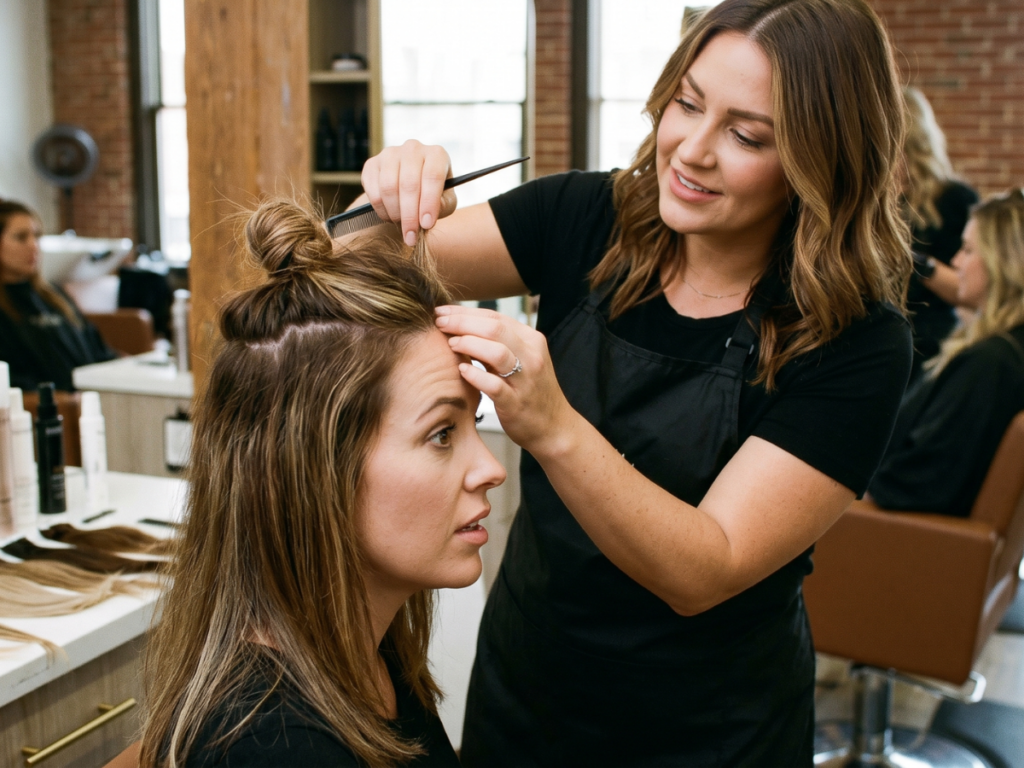
Many women wonder if hair extensions damage hair before they commit to a new look. It is a valid concern because your natural hair health should always come first. Whether you are looking for extra length or more volume for thin hair, the fear of thinning or breakage is real. In this guide, we will explore the facts behind hair extension safety and how you can enjoy a glamorous transformation without compromising your scalp health. From the humid streets of Miami to the high-end salon chair, understanding the mechanics of hair extensions is the first step toward a safe and beautiful result. Do Hair Extensions Really Cause Damage? The short answer is that hair extensions themselves do not inherently cause damage. The issues usually arise from improper installation, poor maintenance, or leaving them in for too long. When applied correctly by a professional, extensions act as an enhancement rather than a weight that pulls on your hair follicles. Choosing high-quality extensions, such as understanding the difference between remy vs non remy hair, can also play a major role in maintaining the health and appearance of your natural hair. However, if the extensions are too heavy for your hair density, they can cause tension. This tension can lead to a condition called traction alopecia. This is why a professional consultation is vital. At Extension King Hair Salon & Shop, we assess your hair texture to ensure the method chosen is compatible with your natural strands. Common Ways Hair Extensions Can Damage Your Hair Damage often happens when the weight of the extension exceeds what the natural hair can support. If you choose a DIY approach or visit an untrained stylist, you risk several issues. Understanding the hair growth cycle is also important. We naturally shed about 100 hairs a day. When wearing extensions, these shed hairs stay trapped in the bond. If not brushed correctly, they form mats that are difficult to remove without causing breakage. Which Types of Hair Extensions Are Safest? Not all extensions are created equal, especially when choosing the right hair extension for short hair. The “safest” method depends entirely on your specific hair type and styling needs. Human hair extensions are generally preferred over synthetic hair extensions because they blend more naturally with your own hair, behave like real strands, and do not tangle as easily. For those with fine or fragile hair, safe tape-ins are often recommended because they distribute weight over a wider area of the hair. Micro-beads or I-tips are great for medium to thick hair because they require no heat or glue. Hand-tied wefts are another premium option that sits flat against the scalp, providing a seamless look with minimal tension. Signs Your Hair Extensions Are Damaging Your Natural Hair You should always listen to your scalp. While a slight tightness is normal for the first 24 hours, persistent pain is a red flag. How to Prevent Damage from Hair Extensions? Prevention starts with a professional installation. A professional vs. DIY hair extensions comparison always favors the salon. A specialist knows exactly how much hair to put in each bond to maintain balance. Another key factor is the hair extension maintenance cost. While it might be tempting to skip a move-up appointment to save money, doing so puts your hair at risk. As your natural hair grows, the bond moves further from the root, becoming more prone to twisting and matting. Regular maintenance ensures the weight stays close to the scalp where the hair is strongest, helping preserve the benefits of the safest extension method. Hair Care Tips While Wearing Extensions A solid hair care routine with extensions will keep your natural hair thriving. Use a sulfate-free shampoo to protect the bonds and the integrity of the hair. Always brush your hair multiple times a day using a specialized extension brush with looped bristles. When sleeping, braid your hair loosely or put it in a low ponytail. This prevents the extensions from tangling while you toss and turn. Using a silk or satin pillowcase also reduces friction. Never go to bed with wet hair, as moisture can soften the bonds and lead to mold or severe matting at the scalp. Can Hair Grow Normally with Extensions? Yes, your hair can absolutely grow normally while wearing extensions. In fact, many people use extensions as a protective style. By leaving the ends of your natural hair tucked away, safe hair extensions can help reduce the need for daily heat styling. This often results in a successful hair recovery after extensions period where the natural hair is longer and healthier than before. The key is ensuring that the extensions are moved up every 6 to 8 weeks. This prevents the “lever effect” where the growth of the hair causes the extension to hang and pull. With proper care, your hair follows its natural rhythm without interruption. Pros and Cons of Hair Extensions Pros Cons Instant length and volume Requires regular salon visits Boosts confidence and styling options Hair extension maintenance cost Can protect natural hair from heat Needs specific washing techniques Ideal for special events or daily wear Initial installation takes time Expert Tips for Safe Hair Extension Use To get the best results in a city like Miami, you must account for the humidity and salt air. These elements can dry out both your natural hair and your extensions. We recommend using a high-quality leave-in conditioner on the mid-lengths and ends. Always choose high-quality human hair extensions. They stay soft longer and can be styled with heat just like your own hair. Most importantly, never attempt to remove permanent extensions at home, even if they were installed using a heat-free method. Professional removal tools and solutions are necessary to dissolve bonds or open beads without snapping your natural strands. FAQ Do hair extensions ruin your natural hair permanently? No, permanent damage is very rare and usually only occurs with extreme neglect or DIY mishaps. When handled by an expert, your hair remains healthy.
Human Hair vs Synthetic Extensions: Pros and Cons
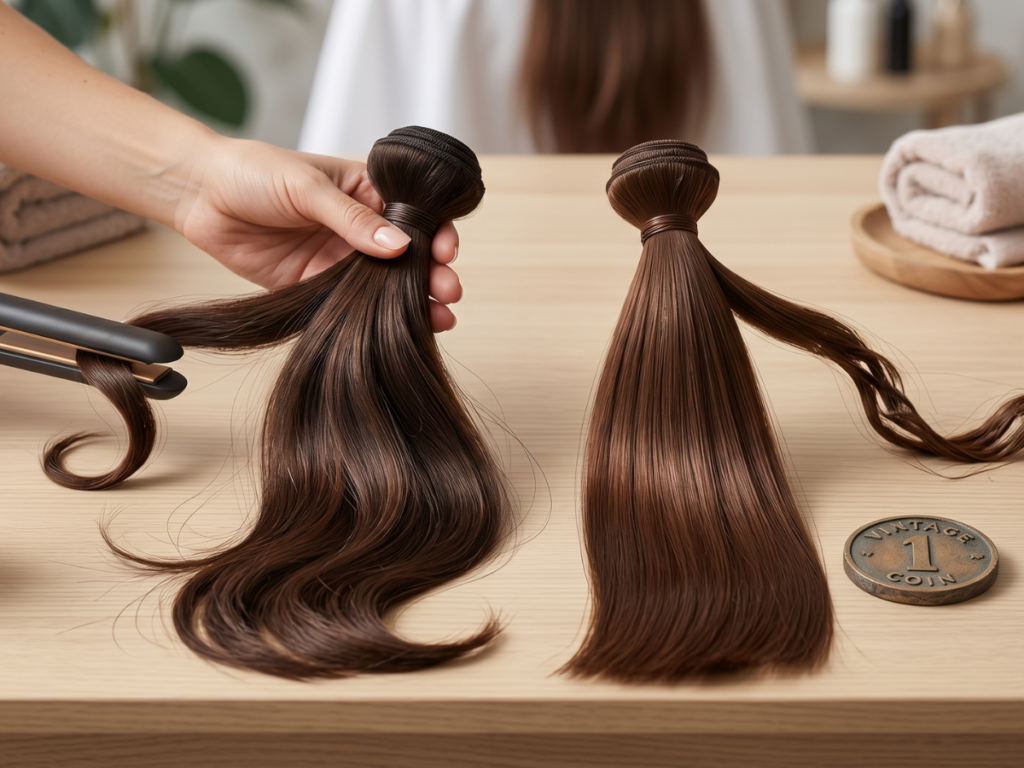
When choosing between human hair vs. synthetic extensions, the decision often comes down to your lifestyle, budget, and how natural you want your finished look to appear. Whether you are a first-time user in Miami or a seasoned extension wearer, understanding the fundamental differences between these two types of hair is essential for achieving your dream aesthetic. At Extension King Hair Salon & Shop, we believe that every client deserves to feel confident, which is why we have put together this definitive guide to help you navigate the world of human hair extensions and synthetic hair extensions, including understanding clip-in hair extensions vs tape-in options for different styling needs. What Are Human Hair Extensions? Human hair extensions are exactly what the name implies: they are harvested from real human donors. Because they are made of biological protein, they behave, move, and shine exactly like your own natural hair. Within this category, you will often find remy hair extensions, which are considered the gold standard. Remy hair is unique because the cuticles are kept intact and aligned in the same direction, preventing tangling and ensuring a smooth, silky feel. Another premium option is virgin human hair. This is hair that has never been chemically processed, bleached, or dyed before being harvested. Many clients also prefer a remy human hair extension for natural look because it blends effortlessly with their existing hair texture and movement. For clients at our Miami salon, we prioritize these high-quality options because they offer the most seamless blend possible. Whether you choose clip-in hair extensions, tape-in hair extensions, or fusion / keratin bond extensions, human hair provides a level of realism that synthetic fibers simply cannot replicate. Clients searching for the best clip in extensions often choose human hair varieties for their durability, styling flexibility, and realistic appearance. What Are Synthetic Hair Extensions? Synthetic hair extensions are crafted from man-made plastic fibers, such as polyester, acrylic, or specialized kanekalon, designed to mimic the appearance of real hair. While technology has improved, synthetic strands are essentially fine plastic threads. They are incredibly affordable and often come “pre-styled,” meaning if you buy a curly synthetic piece, those curls will stay intact even after washing. However, these Wigs and Hairpieces come with significant limitations. Most synthetic hair cannot withstand heat, meaning you cannot use a curling iron or straightener without melting the fibers. They also tend to have a different shine and finish—often appearing unnaturally glossy or “plastic” under bright Miami sunlight. While they serve a purpose for temporary looks, they lack the longevity of natural hair. For a more seamless and natural look, many clients prefer the Best K Tip Hair Extensions in Miami for long-lasting results. Pros & Cons of Human Hair Extensions Pros Cons Pros & Cons of Synthetic Hair Extensions Pros Cons Key Differences at a Glance Feature Human Hair Extensions Synthetic Hair Extensions Price Higher / Premium Lower / Budget-friendly Durability High (6–12+ months) Low (1–3 months) Styling Heat-friendly; can be dyed No heat; cannot be dyed Maintenance High (needs regular styling) Low (style stays set) Appearance 100% natural blend Can look shiny or artificial Which One Should You Choose? The right choice depends on your specific needs. If you are looking for extensions for thin hair, we almost always recommend human hair. Because human hair is lighter and more flexible, it puts less strain on delicate natural strands. If you are debating extensions for volume vs. length, consider how often you will wear them. For daily wear vs. occasional use, human hair is the winner for everyday life. It handles the “wear and tear” of sleeping, washing, and brushing much better. However, if you just need a fun ponytail for a single night out in South Beach, a synthetic piece might be the most cost-effective solution. Always consider your hair texture and hair density; human hair is much easier to thin out or layer to match a client’s natural density for a believable finish, especially when choosing Weft hair extensions Miami for added volume. Maintenance Tips for Both Types Maintaining your investment is key to longevity. For human hair extensions, use sulfate-free shampoos and always apply a heat protectant. Since the hair doesn’t receive natural oils from your scalp, deep conditioning treatments are a must to keep it hydrated. For synthetic hair extensions, avoid heat at all costs unless the package specifically states they are “heat-friendly.” Wash them in cool water with a mild detergent and let them air dry. Never brush synthetic hair while it is wet, as this will stretch and permanently damage the fibers. Common Mistakes to Avoid Many people make the mistake of choosing the wrong hair texture. If you have naturally coarse hair and buy silky synthetic strands, the two will never blend. Similarly, ignoring hair density can lead to a look that is too heavy or obvious. Another major pitfall is buying low-quality extensions from unverified sources. At Extension King Hair Salon & Shop, we see many clients who come in with “tangle-prone” hair they bought online, only to find out it was a synthetic blend marketed as real hair. Always trust a professional for your sourcing and installation to ensure your natural hair remains healthy, particularly when investing in Tape in hair extensions for a smooth and natural blend. FAQ Are human hair extensions worth the money? Yes, absolutely. While the initial cost is higher, their durability and natural look make them a better long-term value. You will replace synthetic hair 4 or 5 times in the same period you would keep a single set of high-quality human hair. Can you curl synthetic extensions? Generally, no. Standard synthetic fibers will melt under the heat of a curling iron. Some “heat-friendly” synthetic options exist, but they still don’t hold a curl as effectively or as safely as real hair. How long does each type last? Human hair extensions typically last 6 to 12 months with professional maintenance. Synthetic extensions usually have a lifespan of 1 to 3
Clip-In vs Tape-In Extensions: Which One Should You Choose?
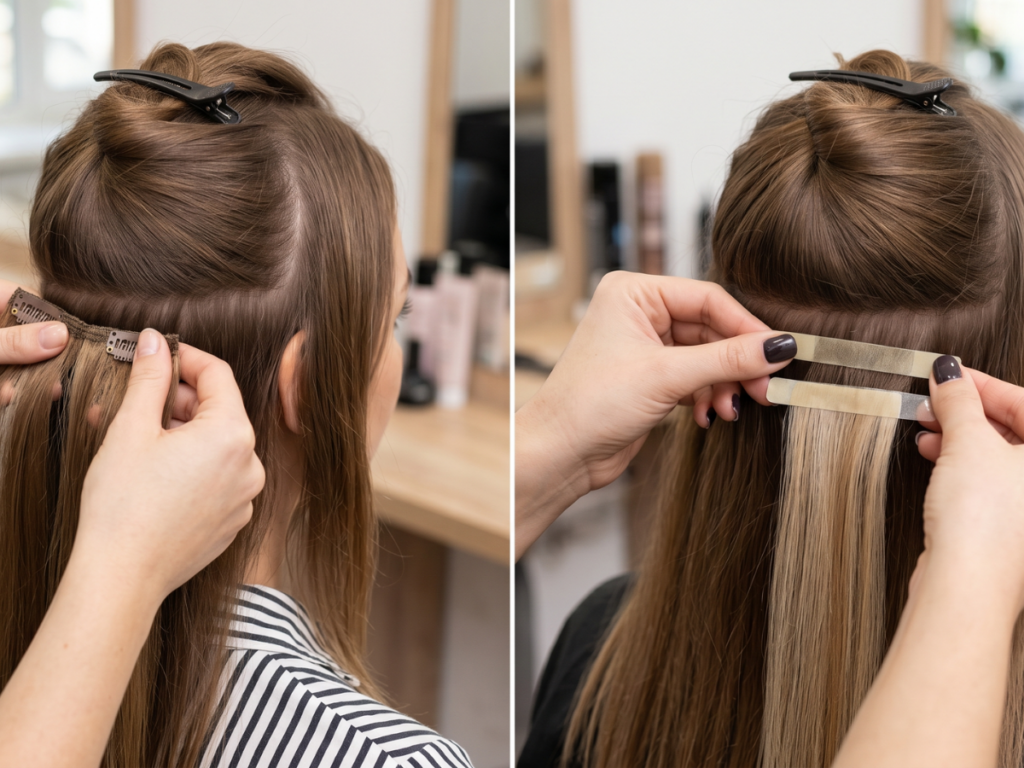
Deciding between clip-in vs. tape-in extensions is the first step toward achieving your dream hair goals. Whether you want to add dramatic length for a night out in South Beach or need consistent volume enhancement for your daily professional look, the right choice depends on your lifestyle and hair type. At Extension King Hair Salon & Shop in Miami, we help clients navigate these options every day to ensure a seamless and stunning hair transformation. This guide explores the specific benefits of each method to help you make an informed decision for your next beauty investment. What Are Clip-In Hair Extensions? Clip-in hair extensions are the ultimate solution for those seeking temporary hair extensions. These consist of contoured pieces of hair attached to small, silicone-lined clips that snap into your natural hair. They are designed to be applied and removed in minutes without the need for a professional stylist. Many people choose these for versatile styling options, especially those looking for hair extensions for thin hair that can instantly create fuller-looking volume. You can wear them for a wedding or a photo shoot and remove them before bed. While some clients explore synthetic hair extensions, we always recommend high-quality human hair options for a natural look that blends beautifully with your own texture. What Are Tape-In Hair Extensions? Tape-in hair extensions represent a semi-permanent hair extension method that is incredibly popular in modern salons. These involve thin wefts of hair that are “sandwiched” between your natural hair using a medical-grade adhesive. Because they lie completely flat against the scalp, they are virtually undetectable to the touch. Unlike clips, these require professional hair installation to ensure the weight is distributed evenly and the tapes are aligned correctly. This method is ideal for those who want a long-term hair length extension that stays in place through showers, workouts, and sleep. Key Differences Between Clip-In and Tape-In Extensions Understanding the technical differences helps you visualize how each type will fit into your routine. Feature Clip-In Extensions Tape-In Extensions Commitment Temporary (Daily) Semi-Permanent (6–8 weeks) Installation DIY at home Professional Salon Service Application Time 5–10 Minutes 60–90 Minutes Feel Can feel slightly heavy Very lightweight and flat Visibility Clips may show in thin hair. Extremely discreet Hair Growth Must be removed daily Moves down as hair grows Pros and Cons of Clip-In Extensions The Pros The Cons Pros and Cons of Tape-In Extensions The Pros The Cons Cost Comparison: Clip-In vs. Tape-In Extensions When evaluating the cost of clip-in vs. tape-in extensions, consider both the initial purchase and the upkeep. In a premium market like Miami, the premium extension cost for a high-quality set of clip-ins usually ranges from $150 to $400 depending on the weight and length.There are no recurring costs unless you choose to have a stylist blend them for you. Tape-ins require a larger budget. The hair itself can cost $200 to $600, and the installation service adds another $200 to $500. Additionally, you will pay for “re-tabbing” services every two months. While more expensive, the convenience and flawless blend often justify the price for those seeking a permanent hair transformation. Maintenance and Care Tips Proper beauty & hair care is essential to protect your investment. For Clip-Ins: For Tape-Ins: Which Option Is Best for Your Lifestyle? Your choice should align with how much time you want to spend on your hair. Common Mistakes to Avoid To keep your natural hair healthy, avoid these frequent pitfalls: Frequently Asked Questions Are clip-in extensions damaging? When worn correctly and removed before sleep, clip-ins are not damaging. However, wearing them in the same spot every day or using clips that are too heavy for very fine hair can cause some stress to the scalp. How long do tape-in extensions last? The application lasts about 6 to 8 weeks before the hair grows out and needs to be moved up. The actual hair wefts can be reused 3 to 4 times if you follow a strict beauty & hair care routine. Can you style both types with heat? Yes, provided they are made of human hair. You can use flat irons and curling wands just like your natural hair. Always use a heat protectant to maintain the longevity of the extensions. Which is better for thin hair? Tape-ins are generally superior for thin hair because they distribute the weight across a wider section of hair and lie completely flat, making them easier to hide. Conclusion Choosing between clip-in vs. tape-in extensions comes down to your desire for convenience versus flexibility, especially if you’re searching for Clip-in hair near Miami. Clip-ins offer a commitment-free way to boost your look, while tape-ins provide a long-lasting, effortless glow that lasts for months. Both methods offer incredible results when you prioritize quality hair and proper care. Are you ready to see which style suits you best? The experts at Extension King Hair Salon & Shop are here to guide your journey. Whether you are looking for a quick volume boost or a full-length makeover, our team provides the best hair services in Miami. Book a consultation at Extension King Hair Salon & Shop today to find your perfect match and start your journey toward a stunning clip-in vs. tape-in extensions transformation.
Best Hair Extensions for Thin Hair
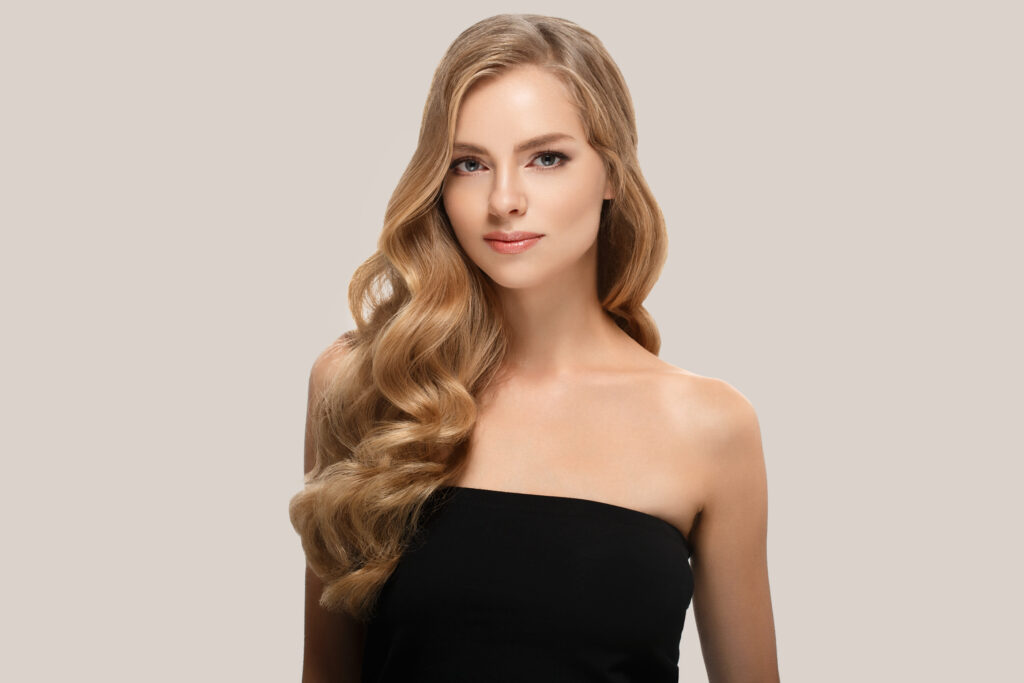
Finding the best hair extensions for thin hair can feel like a challenge because you want to add volume without causing damage. Many women in Miami deal with fine textures and look for ways to boost their confidence with fuller locks. Whether you are dealing with natural thinning or just want a little extra bounce and temporary volume, the right extensions can transform your look while keeping your natural strands healthy. Why Choosing the Right Extensions Matters for Thin Hair When you have fine or thin hair, the weight of the extensions is a major factor. If the pieces are too heavy, they can pull on your roots and lead to more thinning, which often makes people wonder, does extension causing damage to natural hair over time. This is why a customized approach is essential. The wrong type of extension might also be visible through sparse sections of hair, which defeats the purpose of a seamless blend. Choosing a lightweight and discreet method ensures that your hair remains protected while you enjoy a glamorous new style. Types of Hair Extensions for Thin Hair There are several methods available today that cater specifically to those with delicate strands. Here are the most effective options: Best Hair Extensions for Thin Hair (Top Recommendations) For most clients with thin hair, tape in hair extensions is the gold standard, especially when considering clip-in vs tape-in methods for comfort and long-term wear. They distribute weight evenly across a wider section of hair, which prevents tension on any single strand. If you have very short hair and need more precision, keratin bond hair extensions or micro extensions allow for better camouflage around the crown and temples. If your primary goal is volume hair, we recommend a hybrid approach. This might involve using tape-ins for the back and smaller hair filler extensions for the sides to create a balanced, thick appearance. Tips to Make Extensions Look Natural on Thin Hair Achieving a flawless look requires more than just high-quality hair. You need to focus on the details of the application: Common Mistakes to Avoid How to Care for Hair Extensions Proper care extends the life of your investment, especially with cold press extensions. Always use a sulfate-free shampoo and a lightweight conditioner. When washing, do not scrub the attachment sites. Instead, gently massage the scalp and let the suds rinse through the ends. Use a dedicated extension brush with looped bristles to prevent snagging, particularly if you have High-quality weft hair extensions. For tape and bonded extensions, avoid applying oils or heavy masks directly to the roots, as this can cause the adhesive or bonds to break down prematurely. Are Hair Extensions Safe for Thin Hair? Yes, hair extensions for thin hair are safe as long as they are applied by a professional who understands tension and weight distribution, such as specialists in K Tips Hair Extensions Miami. They are safe when the method matches the strength of your natural hair. However, they can be damaging if they are too heavy or if you go too long between maintenance visits. Frequently Asked Questions What type of hair extensions is least damaging for thin hair? Tape in hair extensions are generally considered the least damaging because they are lightweight and distribute weight over a larger surface area. Can thin hair handle permanent extensions? Yes, thin hair can handle permanent options like keratin bond hair extensions. The key is to use smaller, lighter sections to ensure there is no excessive pulling. How long do extensions last on thin hair? Most permanent extensions last between 6 and 10 weeks before they need to be moved up. Will extensions make my hair thinner over time? When applied and removed correctly, extensions will not make your hair thinner. Are tape-in extensions good for fine hair? Tape-ins are excellent for fine hair because they lie completely flat against the head, making them virtually invisible. Conclusion Selecting the right enhancement for your hair is about more than just length; it is about restoring your confidence. By choosing lightweight methods like hair filler extensions and options such as tape-ins for thin hair, while following a strict care routine, you can enjoy the full, bouncy hair you have always wanted. If you are ready to transform your look, Extension King Hair Salon & Shop is here to help. Our experts specialize in delicate applications that prioritize hair health. Visit us today to discover why we are the trusted choice for those seeking high-quality hair extensions for thin hair in the Miami area.
