
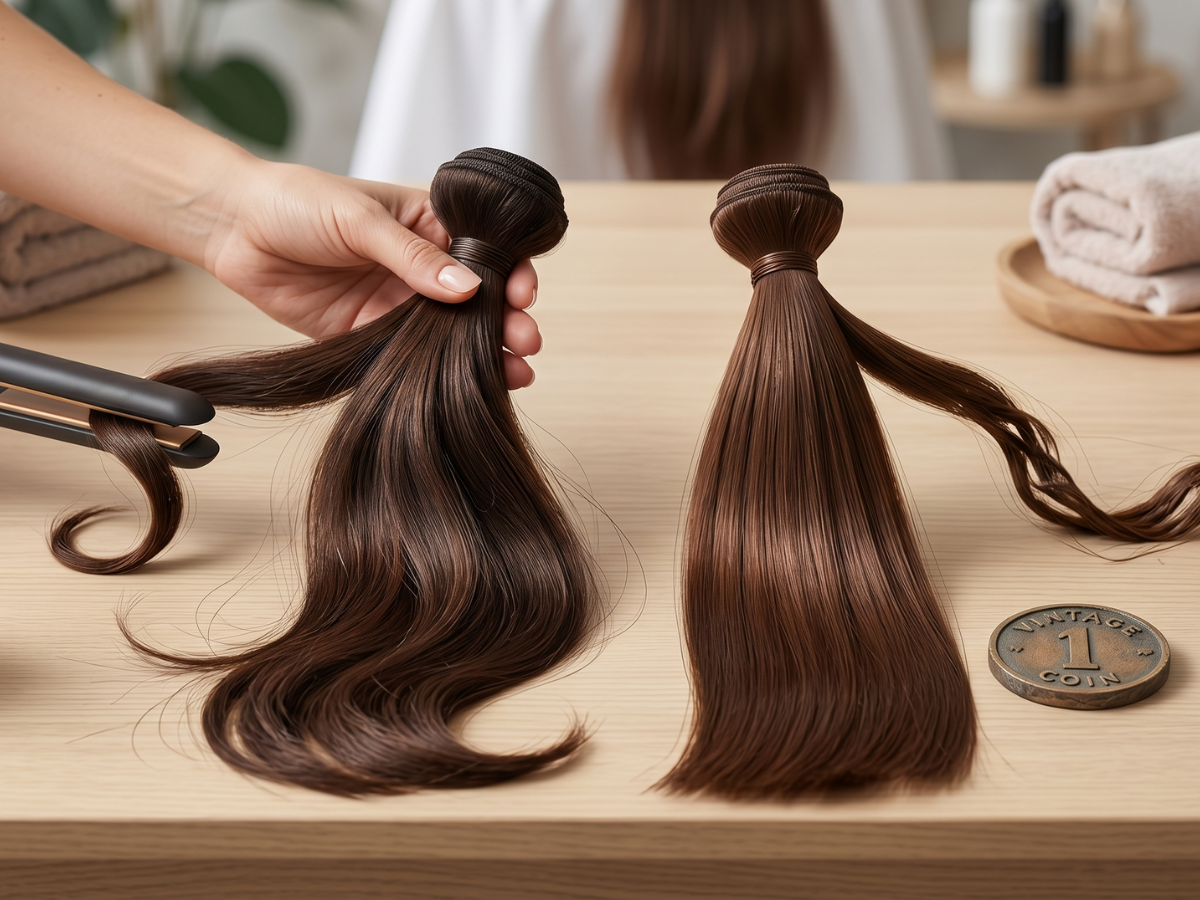
When choosing between human hair vs. synthetic extensions, the decision often comes down to your lifestyle, budget, and how natural you want your finished look to appear. Whether you are a first-time user in Miami or a seasoned extension wearer, understanding the fundamental differences between these two types of hair is essential for achieving your dream aesthetic. At Extension King Hair Salon & Shop, we believe that every client deserves to feel confident, which is why we have put together this definitive guide to help you navigate the world of human hair extensions and synthetic hair extensions, including understanding clip-in hair extensions vs tape-in options for different styling needs.
What Are Human Hair Extensions?
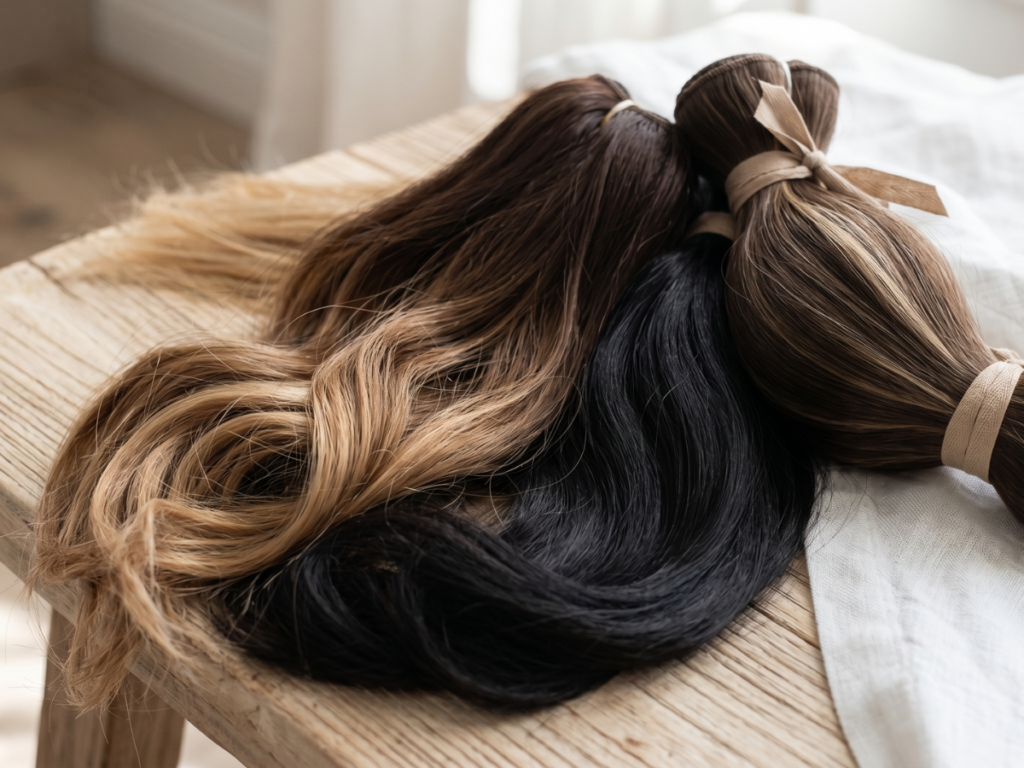
Human hair extensions are exactly what the name implies: they are harvested from real human donors. Because they are made of biological protein, they behave, move, and shine exactly like your own natural hair. Within this category, you will often find remy hair extensions, which are considered the gold standard. Remy hair is unique because the cuticles are kept intact and aligned in the same direction, preventing tangling and ensuring a smooth, silky feel.
Another premium option is virgin human hair. This is hair that has never been chemically processed, bleached, or dyed before being harvested. Many clients also prefer a remy human hair extension for natural look because it blends effortlessly with their existing hair texture and movement. For clients at our Miami salon, we prioritize these high-quality options because they offer the most seamless blend possible. Whether you choose clip-in hair extensions, tape-in hair extensions, or fusion / keratin bond extensions, human hair provides a level of realism that synthetic fibers simply cannot replicate. Clients searching for the best clip in extensions often choose human hair varieties for their durability, styling flexibility, and realistic appearance.

What Are Synthetic Hair Extensions?
Synthetic hair extensions are crafted from man-made plastic fibers, such as polyester, acrylic, or specialized kanekalon, designed to mimic the appearance of real hair. While technology has improved, synthetic strands are essentially fine plastic threads. They are incredibly affordable and often come “pre-styled,” meaning if you buy a curly synthetic piece, those curls will stay intact even after washing.
However, these Wigs and Hairpieces come with significant limitations. Most synthetic hair cannot withstand heat, meaning you cannot use a curling iron or straightener without melting the fibers. They also tend to have a different shine and finish—often appearing unnaturally glossy or “plastic” under bright Miami sunlight. While they serve a purpose for temporary looks, they lack the longevity of natural hair. For a more seamless and natural look, many clients prefer the Best K Tip Hair Extensions in Miami for long-lasting results.
Pros & Cons of Human Hair Extensions
Pros
- Long-lasting hair extensions: With proper care, these can last anywhere from 6 months to over a year.
- Styling Versatility: You can blow-dry, curl, and straighten them just like your own hair.
- Color Customization: Human hair can be professionally dyed or toned to match your exact shade.
- Natural Movement: The hair flows and bounces naturally, making it nearly invisible to others.
Cons
- Higher Investment: The upfront cost is higher than synthetic alternatives.
- Reacts to Weather: Just like your own hair, human hair can frizz in the humid Miami climate if not treated with the right products.
Pros & Cons of Synthetic Hair Extensions
Pros
- Budget-Friendly: Perfect for those who want a quick change without a large financial commitment.
- Style Retention: The “style memory” means the hair stays styled regardless of the weather.
- Low Maintenance: You don’t need to style them after every wash.
Cons
- Short Lifespan: They typically only last 1 to 3 months before becoming matty and dry.
- Limited Color Customization: You cannot dye synthetic hair, as the fibers will not absorb the pigment.
- Heat Sensitivity: Most sets will melt if exposed to standard styling tools.
Key Differences at a Glance
| Feature | Human Hair Extensions | Synthetic Hair Extensions |
| Price | Higher / Premium | Lower / Budget-friendly |
| Durability | High (6–12+ months) | Low (1–3 months) |
| Styling | Heat-friendly; can be dyed | No heat; cannot be dyed |
| Maintenance | High (needs regular styling) | Low (style stays set) |
| Appearance | 100% natural blend | Can look shiny or artificial |
Which One Should You Choose?
The right choice depends on your specific needs. If you are looking for extensions for thin hair, we almost always recommend human hair. Because human hair is lighter and more flexible, it puts less strain on delicate natural strands. If you are debating extensions for volume vs. length, consider how often you will wear them.
For daily wear vs. occasional use, human hair is the winner for everyday life. It handles the “wear and tear” of sleeping, washing, and brushing much better. However, if you just need a fun ponytail for a single night out in South Beach, a synthetic piece might be the most cost-effective solution. Always consider your hair texture and hair density; human hair is much easier to thin out or layer to match a client’s natural density for a believable finish, especially when choosing Weft hair extensions Miami for added volume.
Maintenance Tips for Both Types
Maintaining your investment is key to longevity. For human hair extensions, use sulfate-free shampoos and always apply a heat protectant. Since the hair doesn’t receive natural oils from your scalp, deep conditioning treatments are a must to keep it hydrated.
For synthetic hair extensions, avoid heat at all costs unless the package specifically states they are “heat-friendly.” Wash them in cool water with a mild detergent and let them air dry. Never brush synthetic hair while it is wet, as this will stretch and permanently damage the fibers.
Common Mistakes to Avoid
Many people make the mistake of choosing the wrong hair texture. If you have naturally coarse hair and buy silky synthetic strands, the two will never blend. Similarly, ignoring hair density can lead to a look that is too heavy or obvious.
Another major pitfall is buying low-quality extensions from unverified sources. At Extension King Hair Salon & Shop, we see many clients who come in with “tangle-prone” hair they bought online, only to find out it was a synthetic blend marketed as real hair. Always trust a professional for your sourcing and installation to ensure your natural hair remains healthy, particularly when investing in Tape in hair extensions for a smooth and natural blend.
FAQ
Are human hair extensions worth the money?
Yes, absolutely. While the initial cost is higher, their durability and natural look make them a better long-term value. You will replace synthetic hair 4 or 5 times in the same period you would keep a single set of high-quality human hair.
Can you curl synthetic extensions?
Generally, no. Standard synthetic fibers will melt under the heat of a curling iron. Some “heat-friendly” synthetic options exist, but they still don’t hold a curl as effectively or as safely as real hair.
How long does each type last?
Human hair extensions typically last 6 to 12 months with professional maintenance. Synthetic extensions usually have a lifespan of 1 to 3 months before the fibers begin to fray and tangle excessively.
Which looks more natural?
Human hair is the clear winner for realism. It mimics the light reflection, movement, and texture of your own hair, whereas synthetic hair often has an artificial shine.
Can synthetic hair be washed?
Yes, but it must be done carefully. Use cool water and a gentle touch. Unlike human hair, you should not blow-dry it; instead, let it air dry to maintain the fiber integrity.
Conclusion
Choosing between human hair vs. synthetic extensions ultimately depends on your beauty goals and how much time you want to invest in your hair. If you want a long-term, flawless look that mirrors the luxury of Miami, human hair is the only way to go. Many clients also prefer human hair K-tips for their natural movement and seamless blend. If you are ready to transform your look with the most natural results in Florida, we invite you to the Extension King. Visit our website to browse our premium collections or book a professional consultation today to find your perfect match in the debate of human hair vs. synthetic extensions.
