
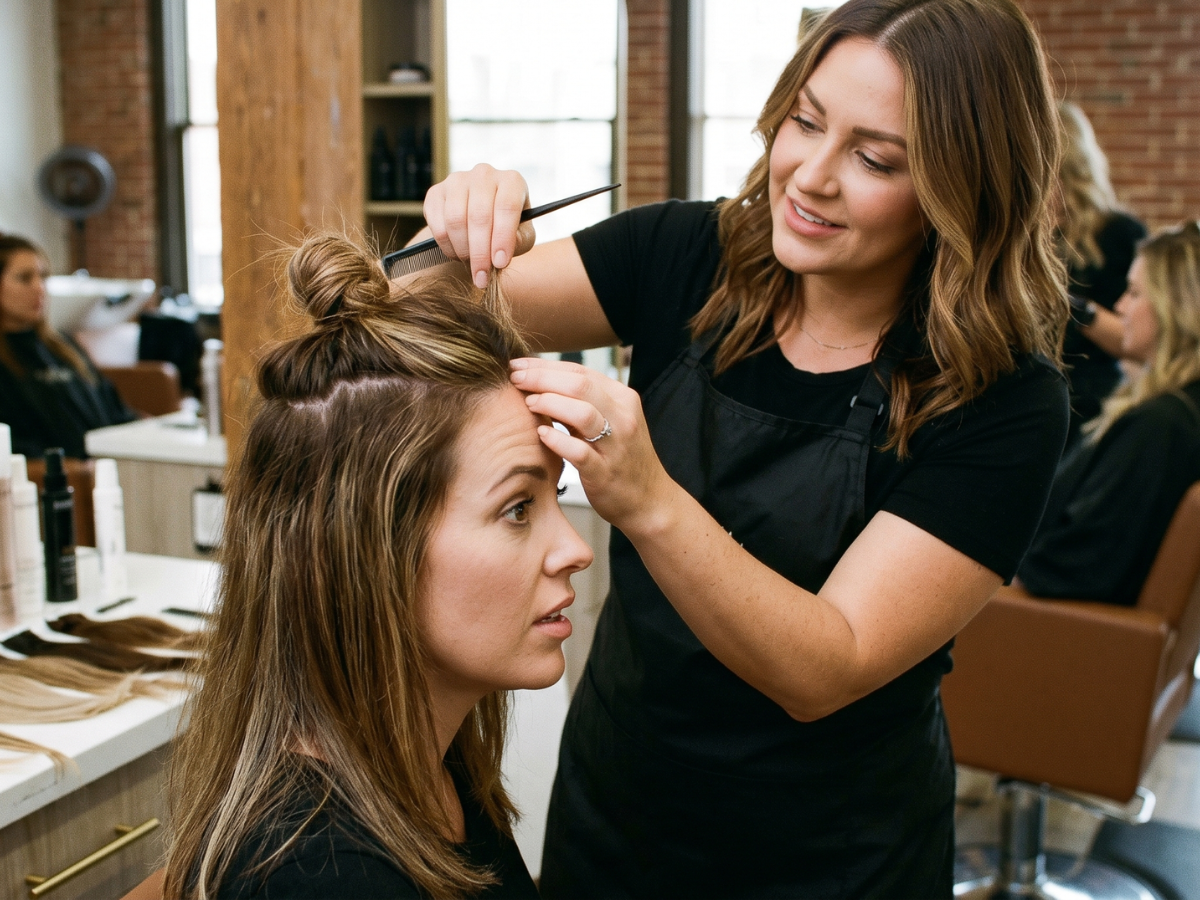
Many women wonder if hair extensions damage hair before they commit to a new look. It is a valid concern because your natural hair health should always come first. Whether you are looking for extra length or more volume for thin hair, the fear of thinning or breakage is real. In this guide, we will explore the facts behind hair extension safety and how you can enjoy a glamorous transformation without compromising your scalp health. From the humid streets of Miami to the high-end salon chair, understanding the mechanics of hair extensions is the first step toward a safe and beautiful result.
Do Hair Extensions Really Cause Damage?
The short answer is that hair extensions themselves do not inherently cause damage. The issues usually arise from improper installation, poor maintenance, or leaving them in for too long. When applied correctly by a professional, extensions act as an enhancement rather than a weight that pulls on your hair follicles. Choosing high-quality extensions, such as understanding the difference between remy vs non remy hair, can also play a major role in maintaining the health and appearance of your natural hair.
However, if the extensions are too heavy for your hair density, they can cause tension. This tension can lead to a condition called traction alopecia. This is why a professional consultation is vital. At Extension King Hair Salon & Shop, we assess your hair texture to ensure the method chosen is compatible with your natural strands.
Common Ways Hair Extensions Can Damage Your Hair
Damage often happens when the weight of the extension exceeds what the natural hair can support. If you choose a DIY approach or visit an untrained stylist, you risk several issues.
- Tension and Pulling: Constant weight on the root can weaken the follicle.
- Matting and Tangling: Failing to brush properly leads to knots at the attachment point.
- Chemical Stress: Using low-quality adhesives or harsh removal solvents can strip the hair cuticle.
- Poor Hygiene: Neglecting scalp health can lead to buildup and irritation under the bonds.
Understanding the hair growth cycle is also important. We naturally shed about 100 hairs a day. When wearing extensions, these shed hairs stay trapped in the bond. If not brushed correctly, they form mats that are difficult to remove without causing breakage.
Which Types of Hair Extensions Are Safest?
Not all extensions are created equal, especially when choosing the right hair extension for short hair. The “safest” method depends entirely on your specific hair type and styling needs. Human hair extensions are generally preferred over synthetic hair extensions because they blend more naturally with your own hair, behave like real strands, and do not tangle as easily.
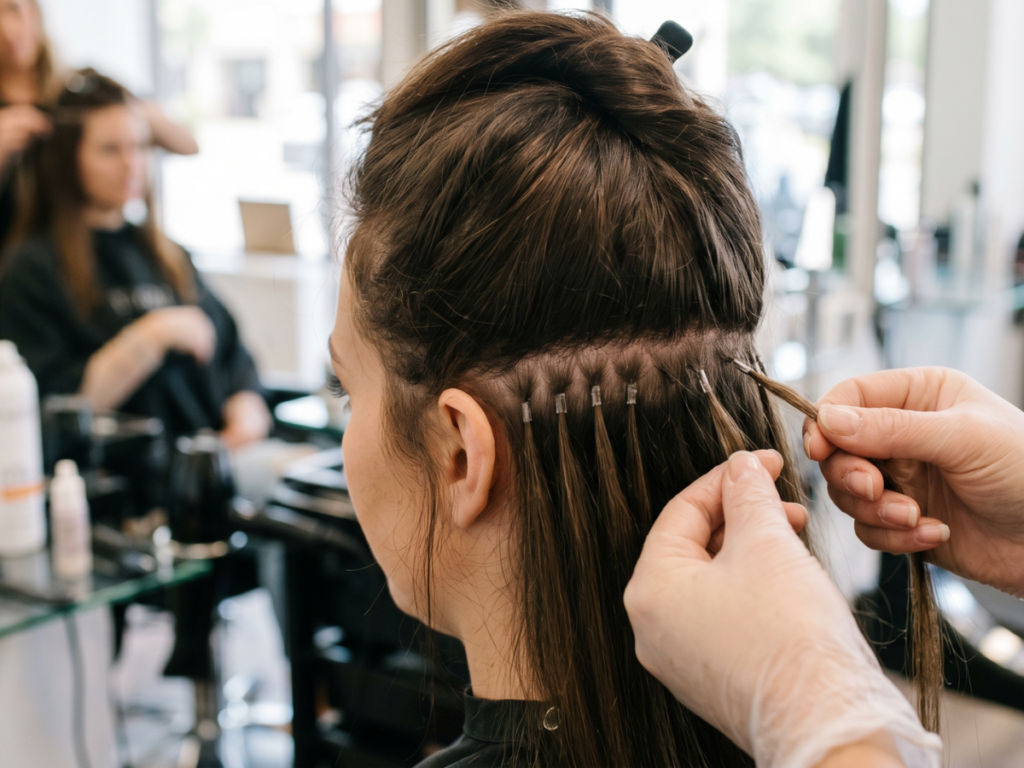
For those with fine or fragile hair, safe tape-ins are often recommended because they distribute weight over a wider area of the hair. Micro-beads or I-tips are great for medium to thick hair because they require no heat or glue. Hand-tied wefts are another premium option that sits flat against the scalp, providing a seamless look with minimal tension.
Signs Your Hair Extensions Are Damaging Your Natural Hair
You should always listen to your scalp. While a slight tightness is normal for the first 24 hours, persistent pain is a red flag.
- Persistent Headaches: This indicates the extensions are too heavy or installed too tightly.
- Itching or Redness: This could be a sign of an allergic reaction or improper hygiene.
- Visible Gaps: If you see your natural hair thinning near the bonds, it is time for a removal.
- Slippage: Extensions that slide down quickly suggest the hair is being strained or the sections are too thin.
How to Prevent Damage from Hair Extensions?
Prevention starts with a professional installation. A professional vs. DIY hair extensions comparison always favors the salon. A specialist knows exactly how much hair to put in each bond to maintain balance.
Another key factor is the hair extension maintenance cost. While it might be tempting to skip a move-up appointment to save money, doing so puts your hair at risk. As your natural hair grows, the bond moves further from the root, becoming more prone to twisting and matting. Regular maintenance ensures the weight stays close to the scalp where the hair is strongest, helping preserve the benefits of the safest extension method.
Hair Care Tips While Wearing Extensions
A solid hair care routine with extensions will keep your natural hair thriving. Use a sulfate-free shampoo to protect the bonds and the integrity of the hair. Always brush your hair multiple times a day using a specialized extension brush with looped bristles.
When sleeping, braid your hair loosely or put it in a low ponytail. This prevents the extensions from tangling while you toss and turn. Using a silk or satin pillowcase also reduces friction. Never go to bed with wet hair, as moisture can soften the bonds and lead to mold or severe matting at the scalp.
Can Hair Grow Normally with Extensions?
Yes, your hair can absolutely grow normally while wearing extensions. In fact, many people use extensions as a protective style. By leaving the ends of your natural hair tucked away, safe hair extensions can help reduce the need for daily heat styling. This often results in a successful hair recovery after extensions period where the natural hair is longer and healthier than before.
The key is ensuring that the extensions are moved up every 6 to 8 weeks. This prevents the “lever effect” where the growth of the hair causes the extension to hang and pull. With proper care, your hair follows its natural rhythm without interruption.
Pros and Cons of Hair Extensions
| Pros | Cons |
| Instant length and volume | Requires regular salon visits |
| Boosts confidence and styling options | Hair extension maintenance cost |
| Can protect natural hair from heat | Needs specific washing techniques |
| Ideal for special events or daily wear | Initial installation takes time |
Expert Tips for Safe Hair Extension Use
To get the best results in a city like Miami, you must account for the humidity and salt air. These elements can dry out both your natural hair and your extensions. We recommend using a high-quality leave-in conditioner on the mid-lengths and ends.
Always choose high-quality human hair extensions. They stay soft longer and can be styled with heat just like your own hair. Most importantly, never attempt to remove permanent extensions at home, even if they were installed using a heat-free method. Professional removal tools and solutions are necessary to dissolve bonds or open beads without snapping your natural strands.
FAQ
Do hair extensions ruin your natural hair permanently?
No, permanent damage is very rare and usually only occurs with extreme neglect or DIY mishaps. When handled by an expert, your hair remains healthy.
How long should you keep extensions in?
Most methods require a move-up or removal every 6 to 10 weeks. Leaving them in longer causes the bonds to mat and pull on the roots.
Are clip-in extensions safer than permanent ones?
Clip-ins are great for occasional wear, but if worn every day in the same spot, they can cause more tension than a professionally distributed permanent set.
Can thin hair handle extensions?
Yes, but the method must be chosen carefully. Tape-ins or hand-tied wefts are usually the best options for lower hair density.
How often should you take a break from extensions?
Many clients wear extensions for years without a break. However, taking a few weeks off every year allows you to deep-clean your scalp and assess your natural growth.
Conclusion
Achieving your dream hair does not have to come at a cost to your health. By choosing the right method, following a strict maintenance schedule, and trusting a professional, you can enjoy beautiful length and volume safely. At Extension King Hair Salon & Shop, we specialize in transformations that prioritize the integrity of your natural strands. If you are ready to elevate your look in Miami, book a consultation with us today. We will help you navigate the best options for your lifestyle and ensure you never have to worry about the question: do hair extensions damage hair.
